
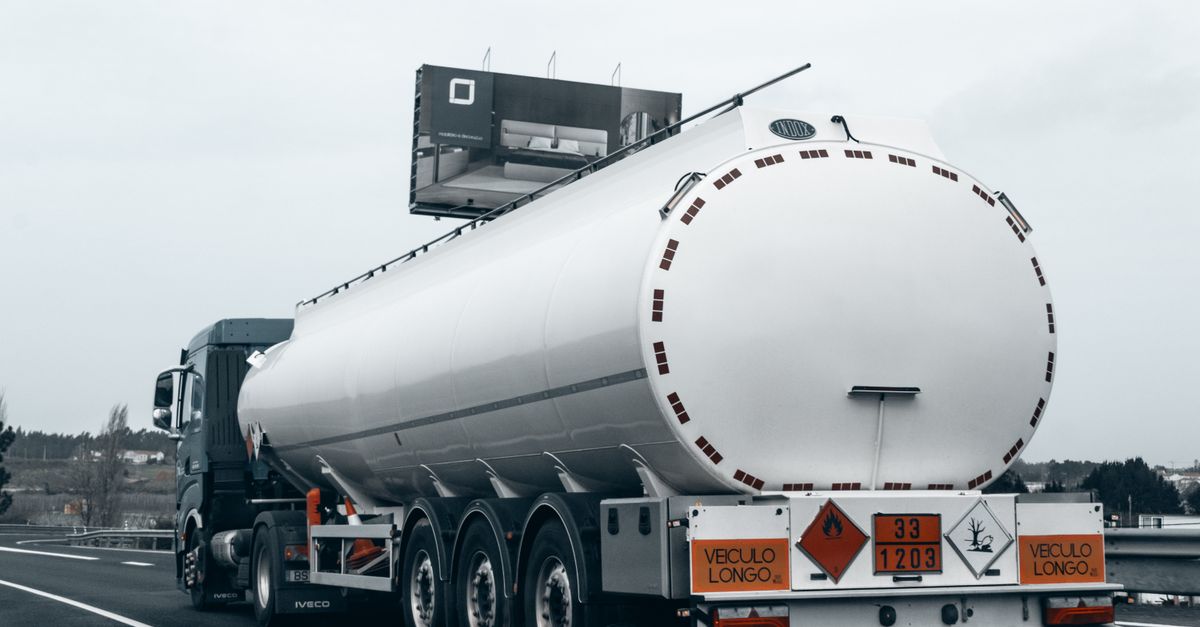
A particulate trap is a honeycomb-shaped filter built into a diesel engine's exhaust system. It catches soot particles before they leave the tailpipe, then burns that soot off in a process called regeneration.
Most people know this part by its more common name: the diesel particulate filter, or DPF. Both terms describe the same component required on nearly every diesel vehicle sold in the US since 2007.
This guide covers how a particulate trap works, the difference between passive, active, and forced regen, what cleaning or replacement costs in 2026, and why removing one isn't a legal option.
How Does a Diesel Particulate Trap Work?
Exhaust gas flows through a ceramic honeycomb substrate coated with a catalyst. Soot particles get trapped in the channel walls while cleaner gas passes through.
Over time, that trapped soot builds up and needs to burn off. The engine's exhaust temperature sensors and a differential pressure sensor across the filter tell the engine control module (ECM) how full the trap is getting.
Once soot load crosses a threshold, the ECM triggers regeneration — raising exhaust temperature enough to burn the soot into a small amount of ash. That ash stays in the filter until a service cleaning removes it.
Particulate Trap vs. DPF: Is There a Difference?
No. "Particulate trap" and "diesel particulate filter" are the same part. Some techs also call it a "soot filter" or just "the DPF."
The confusion usually comes from older diesel trucks. Pre-2007 engines didn't have this filter at all — they relied on EGR valves and combustion tuning alone to manage emissions. For more on how that earlier system works, see our EGR Valve Change guide.
Today's diesels pair the particulate trap with an SCR system using DEF fluid to handle NOx emissions separately from soot. If you're curious how that fits together, our guide on whether DEF is going away breaks down where EPA emissions rules are headed.
What Happens When a Particulate Trap Gets Clogged?
A clogged particulate trap restricts exhaust flow, and the engine can't breathe right. Expect a few warning signs:
- Dashboard DPF or check-engine light
- Noticeable loss of power, especially under load
- Rougher idle and lower fuel economy
- Frequent, unprompted regen cycles
- Derate — the ECM limits speed or power to protect the engine
Ignoring these signs long enough can push soot buildup past what a regen can clear, forcing a shop cleaning or filter replacement. Full details on symptoms and repair steps are in our DPF Filter Guide.
Passive, Active, and Forced Regen: What's the Difference?
Regeneration isn't one process — it's three, and knowing which one your truck is running matters.
Passive Regen
This happens automatically at highway speed when exhaust temps run hot enough on their own to burn off soot. No driver action needed, no warning light.
Active Regen
When soot load climbs but highway temps aren't happening, the ECM injects extra fuel to raise exhaust temperature and trigger a burn — usually while you keep driving normally. You might notice a slightly different exhaust smell or a brief idle bump.
Forced Regen
If soot load gets too high for active regen to manage — often from lots of stop-and-go or short trips — a shop connects a scan tool and runs a stationary, forced regen. This holds the engine at a set RPM for 30-60 minutes to fully clear the filter.
Our full breakdown in Regen Meaning: Active, Passive and Forced DPF Regens Explained and the timing guide How Long Does a DPF Regen Take? cover this in more depth.
Decision tip: If your DPF light comes on and you can safely drive 20-30 minutes at highway speed, try that first — it can trigger a passive or active regen on its own. If the light stays on, power keeps dropping, or the truck derates, book a shop diagnosis rather than keep driving.
How Much Does Particulate Trap Cleaning or Replacement Cost?
Costs depend on whether the filter needs cleaning or full replacement, and on the platform.
| Service | Typical Cost (2026) |
|---|---|
| Forced regen (shop-performed) | $150-$350 |
| DPF removal, bake cleaning, and reinstall | $400-$600 |
| Full DPF replacement | $2,000-$4,000+ |
| Differential pressure sensor replacement | $150-$400 |
Prices as of 2026, verify locally. Our detailed cost breakdown, DPF Filter Cleaning Cost: What Diesel Owners Pay in 2026, walks through what drives the price up or down by vehicle and mileage.
Cleaning is almost always cheaper than replacement, so catching a clogging trap early saves real money. A shop can usually tell within an hour whether a filter can be cleaned or needs to be swapped.
Signs Your Particulate Trap Needs Attention
Watch for these before the problem forces a derate:
- DPF warning light stays on after a highway drive
- Exhaust smells stronger or different than usual
- Fuel economy drops noticeably over a few weeks
- Regen cycles happen more often than normal
- Engine goes into limited power mode (derate)
Any of these is a good reason to get a diagnosis before the filter fully plugs. Find a diesel shop near you on USA Diesel Finder to get a pressure and soot-load check before it turns into a bigger repair.
Is It Legal to Remove a Particulate Trap?
No. Removing, bypassing, or "deleting" a diesel particulate filter is illegal under the federal Clean Air Act. The EPA treats tampering with emissions equipment as a violation, with penalties that can run into the tens of thousands of dollars per vehicle for both the owner and the shop that does the work.
Some states add their own inspection and enforcement rules on top of federal law. Our state-by-state breakdown, Diesel Emissions Rules by State, covers what pickup, RV, and fleet owners need to check before an inspection. Rules change — verify your current state requirements.
Warning: Never let a shop delete emissions equipment, even if it's marketed as a performance upgrade. It's illegal, it voids emissions warranty coverage, and it can trigger fines during a roadside inspection under FMCSA rules (49 CFR §396.17) for commercial trucks.
How to Keep Your Particulate Trap Healthy
A few habits go a long way toward avoiding early clogging or a costly replacement:
- Take occasional highway drives long enough to let passive regen happen
- Don't shut the engine off mid-regen unless it's an emergency
- Keep up with oil changes on schedule — see our guide on diesel oil change types and intervals, since the wrong oil can raise ash load in the filter
- Address a DPF light early instead of waiting for a derate
- Have soot and ash load checked at scheduled PM service, especially on high-idle-hour equipment
These steps won't remove the need for periodic cleaning, but they stretch the time between services and lower your lifetime cost per mile.
Frequently Asked Questions
Need a Diesel Mechanic?
Tell us what's wrong and we'll match you with local shops that can take it on.
Find a Diesel Shop Near You


Discussion (0)
Be the first to comment!
Share your experience or ask a question about diesel repair.