
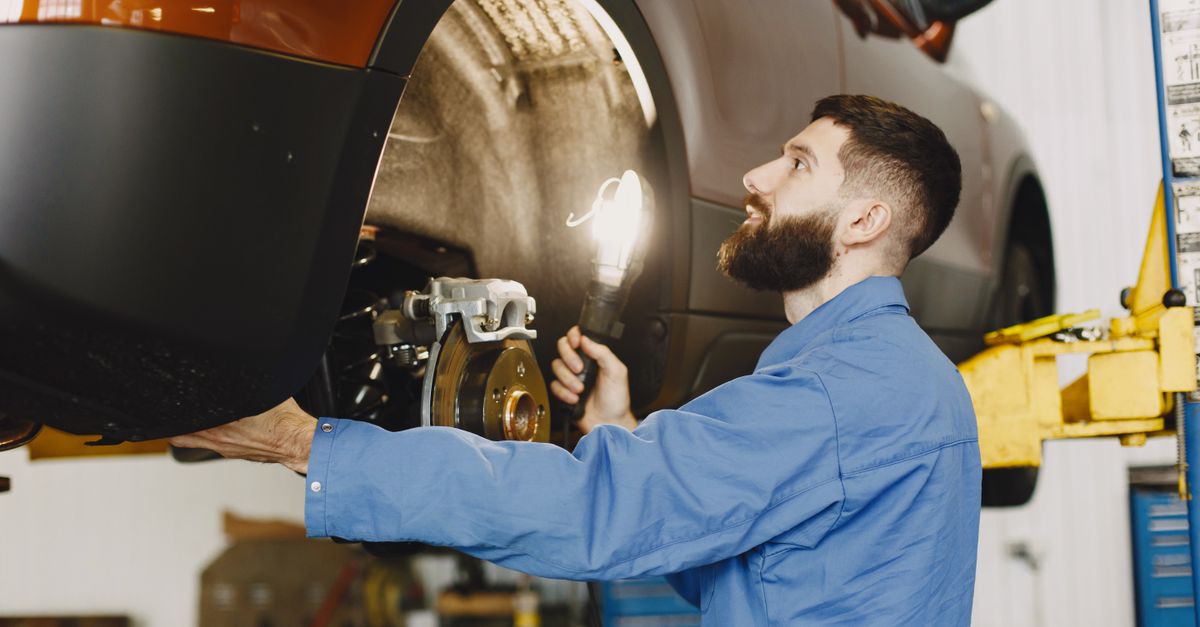
A DOT truck inspection cost usually breaks into two separate numbers: the fee for the inspection itself and the cost of whatever repairs it uncovers. The inspection fee is small. The repair bill is where budgets get blown.
This guide covers what shops charge for the required annual inspection under 49 CFR §396.17, what roadside inspections cost you (hint: nothing upfront, but plenty if you're put out of service), and how to budget for both across a year of operation.
What Is a DOT Inspection, and Which Type Do You Need?
There are two kinds of DOT inspections, and owner-operators often mix them up.
- Roadside inspections — performed by FMCSA-certified state troopers or DOT officers, usually at weigh stations or during traffic stops. These are free but unscheduled, and a failed one can put your truck out of service on the spot.
- Periodic (Annual) Inspections — required under FMCSA's 49 CFR §396.17 for every commercial motor vehicle at least once every 12 months. You schedule these yourself at a shop, inspection station, or through a qualified in-house inspector.
Roadside inspections aren't all the same depth, either. CVSA defines six levels: a Level I is the full 37-point inspection covering both driver credentials and the vehicle, including an under-truck check of brakes and frame. A Level II is a walk-around version of the same thing without going underneath. Most weigh-station stops are actually Level III — a driver and paperwork check — or a quick Level V, vehicle-only with no driver present. The level matters because a Level I failure on a critical item (brakes, steering, coupling) triggers an out-of-service order under CVSA's North American Standard Out-of-Service Criteria on the spot, while a Level III finding is more likely to result in a citation with a window to get it fixed.
The annual inspection is the one you budget for. Roadside inspections are the one you prepare for by keeping the truck in good shape year-round.
How Much Does the DOT Annual Inspection Itself Cost?
The inspection fee — the labor to check brakes, lights, tires, steering, frame, exhaust, and coupling devices against the FMCSA checklist — typically runs $100 to $250 per vehicle at most independent shops and inspection stations. Fleet accounts often negotiate flat per-unit rates closer to $75-$150.
That fee covers the inspection only. It does not include any repair needed to pass. Here's a realistic breakdown of what shops charge, as of 2026:
| Service | Typical Cost Range |
|---|---|
| DOT Annual Inspection (inspection fee only) | $100 – $250 |
| DOT Inspection + CVSA decal issuance | $125 – $300 |
| Trailer-only annual inspection | $75 – $150 |
| Re-inspection after failed repair | $50 – $100 |
| Fleet rate (10+ units, per truck) | $60 – $125 |
Prices as of 2026, verify locally — rates vary by region and whether the shop is a certified third-party inspection station.
What Actually Drives the Total Cost Up?
The inspection fee is predictable. The repair bill isn't, and it's usually the bigger number. Brakes, lights, and tires account for most failed items nationwide.
- Brake adjustment or component replacement: $400 – $1,200 depending on drum vs. disc and how many axles need work.
- Tire replacement (out-of-tread or cracked sidewall): $300 – $600 per tire, steer tires on the higher end.
- Lighting and wiring repairs: $50 – $200 for bulbs, sockets, or chafed harnesses.
- Exhaust or emissions system issues: costs vary widely — a DPF or SCR problem can mean anything from a cleaning to a full component swap. A passive regen happens automatically at highway speed as exhaust temps climb high enough to burn off soot — it costs nothing and most drivers never notice it happening. A forced (parked) regen is triggered manually by a technician when soot load outpaces passive regen; it takes 20-45 minutes with the truck stationary and runs roughly $150-$300 in shop labor if you can't trigger it from the dash yourself. If neither clears the restriction, a shop-pulled DPF cleaning runs $300-$600, and a full filter replacement can run $2,000-$4,000.
- Steering and suspension components: $200 – $800 depending on the part (tie rod ends, bushings, air bags).
If a fault code shows up during inspection, a proper diagnosis matters before you authorize repair work. Learning to read SPN and FMI fault codes helps you understand what the shop is quoting you for and why.
How Does This Break Down by Vehicle Type?
| Vehicle Type | Inspection Fee | Average With Minor Repairs |
|---|---|---|
| Class 8 tractor | $100 – $250 | $300 – $900 |
| Dry van or flatbed trailer | $75 – $150 | $150 – $500 |
| Refrigerated trailer (reefer) | $100 – $200 | $250 – $700 |
| Diesel pickup used commercially | $80 – $150 | $150 – $450 |
Reefer units carry their own inspection line items beyond the DOT checklist, since the refrigeration unit itself needs separate servicing. If you're new to that equipment, this guide on what a reefer is and how it's maintained explains the basics.
What Happens If the Truck Fails Inspection?
A failed periodic inspection means the truck can't legally operate until the defect is fixed and documented. A failed roadside inspection can be worse — an out-of-service order stops the truck immediately, sometimes on the shoulder of the highway.
Not every failure calls for the same response. Fix it on the spot if the defect is brake-related, steering-related, or anything on CVSA's out-of-service criteria list — driving away risks a bigger fine, a voided insurance claim if something fails en route, and a worse citation if you're stopped again before it's repaired. You can reasonably schedule the repair within a few days if the defect is cosmetic — a cracked mud flap, a dim marker light — and doesn't appear on the out-of-service list, as long as it doesn't carry past whatever re-inspection deadline your inspector sets.
Warning: Never let a shop skip or paper over a failed item to save time. Falsifying a DOT inspection report violates federal law and puts your authority and insurance at risk.
The real cost of a failed inspection isn't just the repair — it's downtime. A truck sitting out of service for two days can cost an owner-operator $1,500-$3,000 in lost revenue, on top of the repair bill itself.
How Should You Budget for DOT Inspections Each Year?
Think of the annual inspection fee as a fixed cost — $150 or so, easy to plan for. The repair risk is the variable you control through preventive maintenance.
- Set aside a maintenance reserve of 1-2% of annual revenue per truck for inspection-related repairs.
- Pre-inspect your own truck a week before the scheduled DOT inspection — check lights, tires, and brake adjustment yourself.
- Keep oil, filter, and DEF service current; emissions-related failures are common and often preventable. See this guide on DPF filter cleaning costs if your exhaust system throws a code during inspection.
- Track brake wear between inspections — engine compression braking reduces service brake wear and can stretch your brake-replacement interval.
- Stay current on routine service like oil changes and fuel filter replacement, since neglected maintenance shows up as inspection failures.
A truck that's maintained between inspections almost always costs less at inspection time than one that's only looked at once a year.
How Often Do You Legally Need One?
FMCSA requires a periodic inspection at least every 12 months under 49 CFR §396.17, for every power unit and trailer used in interstate commerce. Some states layer on extra requirements for intrastate carriers, so it's worth checking your state DOT's rules directly — emissions and inspection rules vary by state, and staying current avoids surprise fines.
A qualified inspector can be a shop employee, a third-party inspection station, or a self-inspection if the person performing it meets FMCSA's training and knowledge requirements. Most owner-operators use a certified shop for the paper trail and the CVSA decal that reduces roadside stop frequency.
Rules change — verify your current state requirements before scheduling. If a fault code or derate shows up mid-inspection, understanding limp mode and engine derate causes can help you separate a quick fix from a bigger repair before you approve the invoice.
Budgeting for a DOT inspection is less about the inspection fee and more about keeping the truck in shape so it passes the first time. Find a diesel shop near you on USA Diesel Finder to get a quote on your next annual inspection before it's due.
Frequently Asked Questions
Need a Diesel Mechanic?
Tell us what's wrong and we'll match you with local shops that can take it on.
Find a DOT inspection shop near you


Discussion (0)
Be the first to comment!
Share your experience or ask a question about diesel repair.