
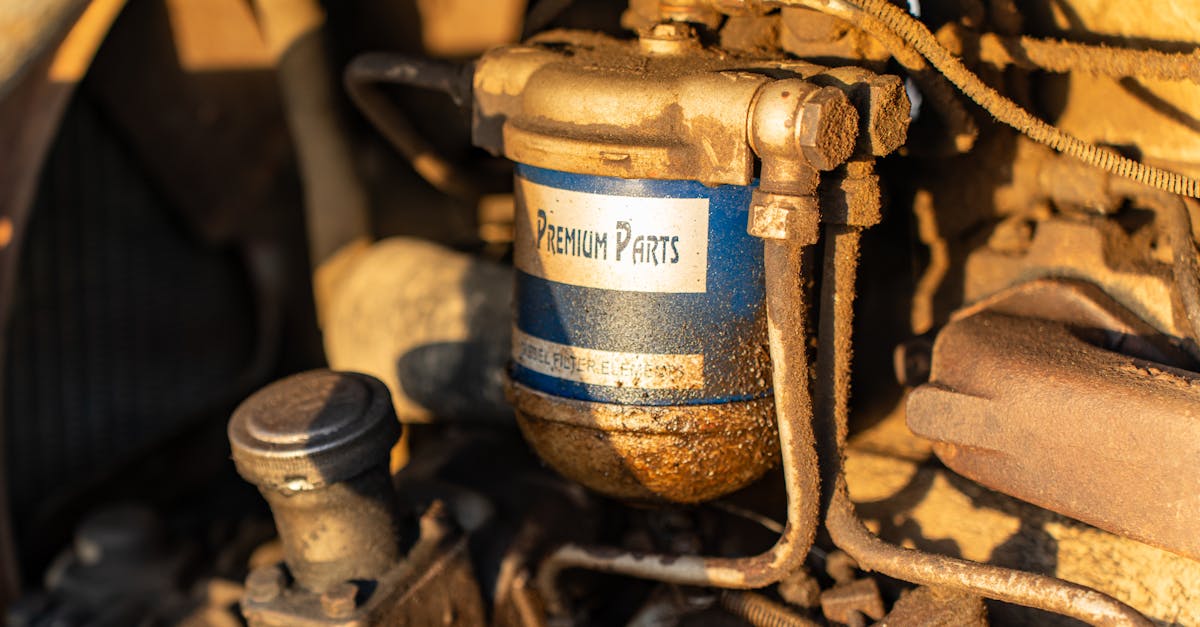
A diesel fuel filter change means draining the old filter, fitting a new element with fresh seals, and priming the fuel system so no air reaches the injection pump. Skip the priming step and you'll be cranking a no-start engine for a while.
Diesel fuel systems run on tight tolerances. A clogged or air-contaminated filter doesn't just slow fuel flow — it can starve the injection pump and injectors, leading to hard starts, power loss, or a pump failure that costs thousands. This guide walks through the real steps, the tools you need, and how to tell when a filter's done.
We'll also cover OEM service intervals, primary versus secondary filter setups, and when it's worth paying a shop instead of doing it yourself in a parking lot.
How Often Should You Change a Diesel Fuel Filter?
Most OEMs publish a service interval between 10,000 and 25,000 miles, or roughly once a year for lighter-use trucks. Ford's 6.7 Powerstroke calls for fuel filter service every 10,000 miles under normal conditions — check out our 6.7 Powerstroke Fuel Filter Service Guide for platform-specific numbers.
Cummins and Duramax platforms generally run longer, often 15,000 to 20,000 miles, but always confirm against your owner's manual — the OEM interval is the real authority here, not a shop's rule of thumb.
- Heavy-duty fleet trucks: every 15,000-25,000 miles or per OEM maintenance schedule
- Pickups (6.7L Powerstroke, Duramax, Cummins): every 10,000-15,000 miles
- RVs and diesel pushers: once a year or every 10,000 miles, whichever comes first — see What Is a Diesel Pusher? RV Engine Type Explained for more on these engines
- Generators and stationary diesels: based on run hours, often every 250-500 hours
If you run biodiesel blends or buy fuel from stations with questionable tank maintenance, cut that interval by a third. Dirtier fuel clogs filters faster, full stop.
Tools You Need Before You Start
A fuel filter change is a basic job, but having the right gear saves a lot of frustration and fuel spilled on the ground.
- New filter element (OEM or OEM-spec aftermarket) and new O-rings/seals
- Filter wrench or strap wrench sized for your housing
- Drain pan rated for at least a gallon of diesel
- Shop rags and nitrile gloves
- Priming pump (many trucks have a built-in hand primer; some need an external one)
- Torque wrench if your filter housing specs a torque value
Diesel has a high flash point and won't ignite from a spark the way gasoline does — see Is Diesel Flammable? What Every Diesel Owner Should Know — but it's still combustible and messy. Keep rags handy and work away from open flame sources regardless.
Step-by-Step: How to Change a Diesel Fuel Filter
The exact steps vary by platform, but the core sequence is the same across most diesel engines.
- Shut off the fuel supply. Turn the key off and, if equipped, close any fuel shutoff valve between the tank and filter housing.
- Relieve pressure. Loosen the housing cap slowly — fuel systems hold residual pressure even after the engine's off.
- Drain the housing. Place your drain pan under the filter and let the old fuel and filter drain fully before removing.
- Remove the old filter. Twist off with a filter wrench if it's a spin-on type, or lift the element out of a housing-style unit.
- Inspect the housing. Wipe it clean and check for debris, water, or a worn seal groove.
- Install new seals. Lightly oil new O-rings with clean diesel or the oil provided with the filter kit — never install dry seals.
- Fit the new filter. Hand-tighten spin-on filters, or seat the new element and torque the housing cap to spec.
- Prime the system. This step is non-negotiable — see below.
- Start and check for leaks. Run the engine for a minute and inspect every fitting you touched.
Need a shop to handle it instead? You can find a diesel shop near you and compare quotes before booking.
How to Prime the Fuel System After a Filter Change
Air trapped in the fuel lines after a filter swap is the number one reason trucks won't start after service. Diesel injection pumps can't compress air the way they compress fuel, so trapped air causes hard starts, rough idle, or no-start at all.
Most trucks use one of these priming methods:
- Manual hand primer: pump the primer bulb or lever until it feels firm, usually 30-50 strokes
- Electric lift pump cycle: cycle the key on/off several times without cranking to let the electric pump push fuel through and push air out via a bleed screw
- Bleed screws: loosen the screw on the filter housing, prime until fuel runs clear with no bubbles, then retighten
- Loss of power under load, especially going up grades
- Hard starts or longer-than-normal crank times
- A water-in-fuel warning light (common on trucks with a water separator stage)
- Rough idle or hesitation at steady cruise speed
- Visible debris or a dark, dirty element at a scheduled inspection
- Primary filter (often with water separator): mounted closer to the tank, catches large debris and separates water before fuel reaches the engine
- Secondary filter: mounted on or near the engine, catches finer particles right before fuel enters the injection pump
- Confirm the correct filter part number for your engine and model year
- Have new O-rings and seals on hand — don't reuse old ones
- Drain the old filter fully before removal to limit spillage
- Prime the system fully before starting the engine
- Run the engine and check every fitting for leaks
- Log the mileage and date for your next scheduled change
If the engine cranks a long time without starting, stop. Don't drain the battery chasing a trapped air pocket — re-check your priming steps or bleed screw instead.
Signs Your Fuel Filter Is Overdue for Service
A failing filter rarely dies all at once. Watch for these warning signs between scheduled changes:
Water contamination deserves its own callout. Warning: water in diesel fuel causes rust, microbial growth (diesel bug), and injector corrosion. If your truck has a water-in-fuel sensor, drain the separator bowl regularly — don't wait for the light.
What Happens If You Skip Fuel Filter Service?
A clogged filter restricts flow to the injection pump. On modern common-rail systems like the CP4 used in several 6.7L Powerstroke trucks, fuel starvation or contamination can destroy the high-pressure pump — and metal debris from a failed CP4 spreads through the entire fuel system, injectors included.
That turns a $60-$150 filter job into a repair bill that can run $5,000-$10,000 for a full fuel system replacement (prices as of 2026, verify locally). This is the single biggest reason fuel filter service isn't a job worth skipping, even when the truck seems to run fine.
For more on how fuel contamination affects the whole system, see Diesel Fuel Injectors: How They Work, Fail and Get Replaced.
Primary vs. Secondary Filters: Why Many Diesels Have Two
Most modern diesel trucks run a two-stage filtration setup:
Both filters should be changed at the same service interval, even if only one looks dirty. A clean secondary filter paired with a neglected primary filter still lets contaminated fuel reach the high-pressure pump over time.
DIY vs. Shop: When Should You Pay for Service?
A fuel filter change is one of the more DIY-friendly diesel jobs, but there are situations where a shop makes more sense.
| Factor | DIY | Shop Service |
|---|---|---|
| Typical cost | $30-$80 in parts | $80-$180 including labor |
| Time needed | 30-60 minutes | 20-30 minutes (with proper equipment) |
| Best for | Spin-on filters, owners with basic tools | Housing-style systems, fleet trucks, warranty work |
| Risk if done wrong | Trapped air, leaks, no-start | Covered by shop warranty on most jobs |
Prices as of 2026; verify locally. If your truck is still under a powertrain warranty, confirm whether DIY fuel filter service voids any coverage — some OEMs require documented service records from a licensed shop.
Fleet managers juggling multiple trucks often find it cheaper to get a free diesel repair quote and batch service across several units rather than handling each one individually.
Building a Fuel Filter Service Checklist
A quick pre- and post-service checklist keeps the job clean and prevents comebacks:
Cold weather adds another wrinkle — fuel filters are a common point for wax buildup when temperatures drop. If you're dealing with gelling on top of filter service, our guide on Preventing Diesel Fuel Gelling in Winter covers added fuel conditioners and tank heater options.
Fuel quality matters just as much as the filter itself. Stored fuel that's sat too long can gum up a brand-new filter fast — see Can Diesel Fuel Go Bad? Failure Symptoms & Warning Signs if you suspect old fuel is part of the problem.
Frequently Asked Questions
Need a Diesel Mechanic?
Tell us what's wrong and we'll match you with local shops that can take it on.
Find a Diesel Shop Near You
Discussion (0)
Be the first to comment!
Share your experience or ask a question about diesel repair.