
Diesel is technically combustible, not flammable, based on how fire codes define the two terms. Diesel needs to reach a much higher temperature than gasoline before its vapors will ignite, which is why you can't light diesel fuel with a match at room temperature.
But "combustible" doesn't mean "safe." Diesel still burns, still gives off ignitable vapor once it warms up, and still shows up on DOT placards labeled flammable. Here's what actually separates diesel from gasoline, and what that means for how you store, handle, and work around it.
What's the Difference Between Flammable and Combustible?
Fire codes split liquids into two groups based on flash point — the lowest temperature at which a liquid gives off enough vapor to ignite near an open flame.
- Flammable liquids have a flash point below 100°F (per NFPA 30 and OSHA 29 CFR 1910.106). Gasoline's flash point sits around -45°F, so it's flammable even in cold weather.
- Combustible liquids have a flash point of 100°F or higher. Diesel usually falls between 125°F and 180°F, with ASTM D975 setting a minimum flash point of 125°F for on-road diesel sold in the US.
That gap matters. Gasoline vapor can ignite from a spark on a cold winter morning. Diesel needs real heat before it gives off enough vapor to catch.
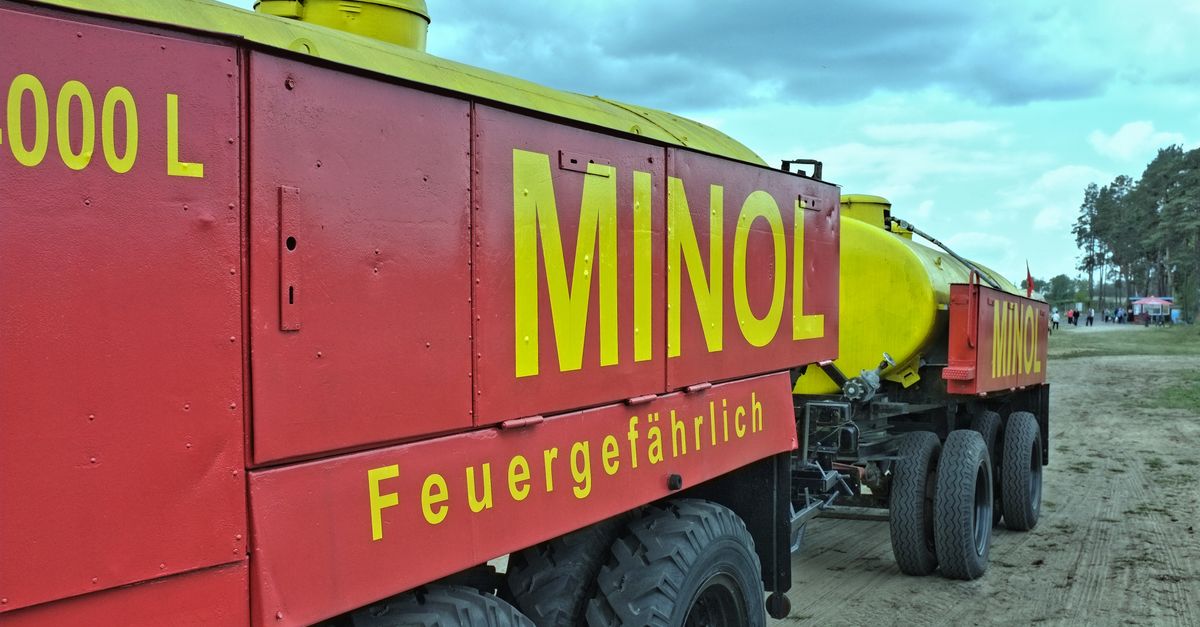
Why Do Diesel Tankers Show "Flammable" Placards?
This is where most of the confusion starts. Fire codes (NFPA 30) call diesel combustible. But DOT/PHMSA transport rules (49 CFR §173.120) classify any liquid with a flash point at or below 140°F as a Class 3 flammable liquid for shipping purposes.
Since diesel's flash point can run close to that 140°F line depending on the blend and season, transport rules err on the side of caution. So a diesel tanker on the highway carries a flammable placard, even though the fire code next to your fuel storage tank calls the same fuel combustible. Both labels are correct — they're just answering different questions.
Can Diesel Fuel Actually Catch Fire?
Yes, under the right conditions. Diesel needs three things to ignite: enough heat to vaporize, the right air-to-fuel mix, and an ignition source. At room temperature, liquid diesel mostly resists a dropped match or cigarette because it hasn't vaporized enough to sustain a flame.
Heat changes that fast. Diesel spilled on a hot exhaust manifold, a turbo housing, or a DPF during a regen cycle can ignite, because those surfaces run well above diesel's flash point. DPF regen temperatures often hit 900-1,200°F inside the filter, far past what's needed to light off spilled fuel or oil.
Warning: Never let diesel, oil, or coolant pool near an exhaust system, turbo, or DPF housing. A slow drip that seems harmless in the driveway can flash the moment it contacts a hot surface under load.
How Hot Does Diesel Need to Get to Self-Ignite?
Diesel's autoignition temperature — the point where it ignites without any spark or flame — sits around 410°F (210°C). That's actually lower than gasoline's autoignition point near 495°F, even though gasoline's flash point is far lower.
This is exactly why diesel engines don't use spark plugs. A diesel engine compresses air in the cylinder until it's hot enough — often well above 1,000°F — to ignite the fuel spray on contact. For more on how that compression-ignition process works, see Does a Diesel Engine Have a Spark Plug? (No — Here's What It Uses Instead).
Different diesel platforms handle this compression process a bit differently depending on injection strategy and turbo setup. Diesel Engine Families Explained: Power Stroke, Cummins & 3.0 Duramax breaks down how Power Stroke, Cummins, and Duramax engines each manage that ignition process.
Diesel Flash Point vs. Gasoline: Side-by-Side
| Fuel | Flash Point | Autoignition Temp | NFPA Classification |
|---|---|---|---|
| Gasoline | -45°F | ~495°F | Class IB Flammable |
| Diesel (ULSD) | 125-180°F | ~410°F | Class II Combustible |
| Jet fuel (Jet A) | 100-150°F | ~410°F | Class II Combustible |
Gasoline ignites easier at low temperatures because it vaporizes so readily. Diesel needs sustained heat first, which is why diesel spills are less likely to flash in a cold shop but still pose a real fire risk once an engine, turbo, or exhaust system is running hot.
Does Fuel Quality Change How Diesel Burns?
Cetane rating affects how well diesel ignites inside the engine under compression, but it doesn't change the fuel's flash point or how it behaves in a spill. Fuel that's gelled, contaminated with water, or blended with biodiesel can shift flash point slightly, which matters for storage safety over the long term.
Diesel Fuel Explained: Cetane, Gelling and Storage Life covers how cetane, temperature, and storage conditions affect fuel performance and shelf life — worth a read if you keep bulk diesel on a farm or job site.
How Should You Store and Handle Diesel Safely?
Diesel's higher flash point buys you some margin, but bulk storage tanks and fuel handling still carry real fire risk. Follow these basics:
- Store diesel in approved metal or UL-listed containers, away from direct sun and heat sources.
- Keep bulk tanks grounded to control static buildup during transfer, especially in dry winter air.
- Never store diesel near open flames, welding areas, or space heaters.
- Clean up spills immediately — dried diesel residue on hot components is a bigger fire risk than the liquid itself.
- Check local fire code requirements for on-site storage volume; many states cap above-ground tank size without extra permitting.
Rules on tank permitting and storage volume vary by state fire marshal and local fire code. Diesel Emissions Rules by State: What Pickup, RV and Fleet Owners Need to Know is a useful companion read if you're also tracking emissions equipment rules alongside fuel storage.
What About Dyed or Off-Road Diesel?
Dyed diesel burns and ignites the same way as clear on-road diesel — the red dye is a tax marker, not a fuel additive that changes flash point. Using dyed diesel in a vehicle on public roads is illegal tax evasion under IRS and state DOT rules, with penalties that can include fines per gallon and back taxes owed.
Store and handle dyed diesel with the same fire safety precautions as regular diesel. There's no flammability shortcut just because it's marked for off-road use.
Regen Heat, DPF Fires, and What Shops Watch For
Active and forced DPF regens push exhaust temps high enough to burn off soot, which also means any fuel or oil leak near the filter housing is a real ignition risk. Shops doing regen-related diagnostics check for fuel leaks, oil seepage, and worn seals before running a forced regen, precisely because of this heat exposure.
If your truck throws a DPF or regen-related fault code, don't ignore fuel smell or visible leaks near the exhaust. Find a diesel shop near you to get the system checked before running another regen cycle.
Bottom Line for Diesel Owners
Diesel resists ignition far better than gasoline, but "combustible" still means it burns. Treat spills, hot exhaust components, and bulk storage with the same respect you'd give any fuel — because once diesel does ignite, it burns just as hot.
If you're dealing with a fuel leak, exhaust heat issue, or a truck that's overdue for a fuel system inspection, get a free diesel repair quote from a shop that handles your platform.
FAQ
Can you put out a diesel fire with water?
No. Diesel floats on water and spreads the fire instead of putting it out. Use a Class B fire extinguisher (dry chemical, foam, or CO2) rated for flammable and combustible liquid fires.
Why doesn't diesel explode like gasoline in movies?
Diesel's high flash point means it doesn't vaporize easily at normal temperatures, so it lacks the fast-igniting vapor cloud that makes gasoline explosions dramatic. Diesel fires tend to build more slowly and burn hotter over time.
Is diesel fuel dangerous to breathe?
Diesel vapor exposure can cause headaches, dizziness, and irritation with prolonged contact. It's not as volatile as gasoline vapor, but you should still avoid breathing fumes during fueling or spill cleanup.
Does cold weather make diesel more or less flammable?
Cold weather doesn't lower diesel's flash point, so it stays harder to ignite than gasoline year-round. Cold weather is more of a gelling risk than a fire risk — see storage life details for more on that.
Frequently Asked Questions
Need a Diesel Mechanic?
Tell us what's wrong and we'll match you with local shops that can take it on.
Find a Diesel Shop Near You


Discussion (0)
Be the first to comment!
Share your experience or ask a question about diesel repair.