
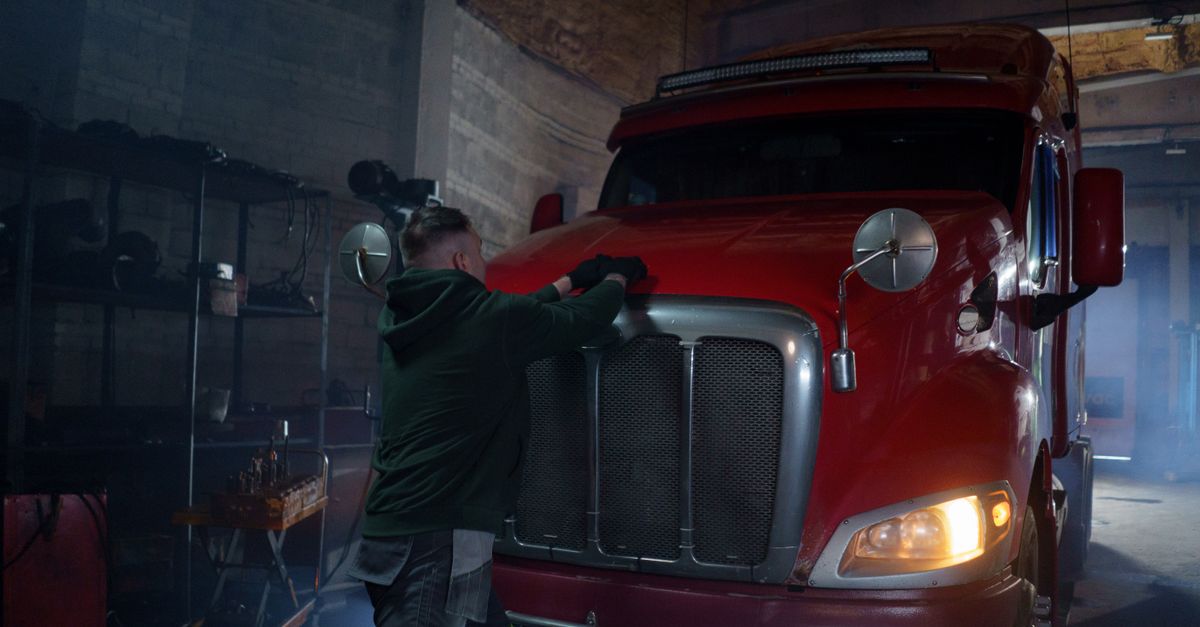
Yes, you can technically supercharge a diesel engine — a belt-driven blower can be bolted onto almost any engine that has the mounting room. But almost no production diesel does this, and there's a solid engineering reason why.
Diesel engines almost always use turbochargers instead of superchargers. A turbo spins off exhaust gas that's already leaving the engine, so it doesn't rob crankshaft power the way a belt-driven blower does. That's a big deal on an engine that already makes its torque from high compression rather than high RPM.
This guide breaks down the real difference between the two, where superchargers actually did show up on diesel engines, whether you can add one aftermarket, and what it costs if you want more boost than a stock turbo gives you.
What's the Difference Between a Turbocharger and a Supercharger?
Both are forced induction — they push extra air into the cylinder so the engine can burn more fuel and make more power. The difference is how they get their power to spin.
- Turbocharger: Driven by exhaust gas flowing through a turbine wheel, which spins a compressor wheel on the same shaft. It uses energy that would otherwise be wasted out the tailpipe.
- Supercharger: Driven mechanically by a belt connected to the crankshaft. It makes boost instantly, but it also pulls horsepower directly from the engine to run itself.
On a gas engine, that trade-off is often worth it — superchargers give instant throttle response with no turbo lag. On a diesel, the math works differently, and that's where things get interesting.
Why Do Diesel Engines Use Turbochargers Instead of Superchargers?
Diesels run high compression ratios and produce huge amounts of hot exhaust gas, even at low RPM. That exhaust energy is exactly what a turbo needs to spin fast and build boost.
A supercharger, by contrast, has to be driven mechanically at every RPM, which eats into the fuel economy diesel owners buy the engine for in the first place. Turbo lag is also less of an issue on a diesel — these engines make peak torque low in the RPM range, so the turbo has plenty of exhaust flow to work with well before the driver needs full power.
There's also a durability angle. Modern diesels use variable-geometry turbochargers that adjust vane angle to control boost across the RPM range, which does part of what a supercharger's mechanical drive would otherwise need to do — without adding parasitic drag. If you want the full picture of how these systems work together, How Do Diesel Engines Work? A Plain-English Breakdown covers the compression-ignition side of the equation.
Did Any Diesel Engines Ever Use Superchargers?
Yes — but not for the reason most people assume. Detroit Diesel's old two-stroke engines, like the Series 71 and 92, used a Roots-type blower on every single unit built.
Here's the thing: that blower wasn't there for extra power in the traditional sense. A two-stroke diesel has no dedicated intake stroke, so it needs forced air just to scavenge exhaust gas out of the cylinder and get fresh air in before the next power stroke. Without the blower, the engine simply wouldn't run.
Some Detroit Diesel configurations later added a turbocharger downstream of the blower — a setup called compound induction, where the Roots blower guaranteed cylinder scavenging at every RPM while a turbocharger, mounted downstream, added extra boost once exhaust flow was strong enough to spin it. The blower's parasitic drag was still there, but because the two-stroke design needed forced air just to run in the first place, that cost was already baked into the architecture — stacking a turbo on top of it was close to pure gain. Detroit Diesel used this two-stage approach through the early 1990s, most notably in the 6V92TA and 8V92TA truck engines, before EPA emissions rules pushed the industry toward four-stroke, purely turbocharged designs that were easier to certify for particulate and NOx limits. By the mid-1990s, on-highway two-stroke diesels had essentially disappeared from new truck lineups for exactly that reason.
Can You Bolt a Supercharger Onto a Diesel Aftermarket?
Mechanically, yes — a handful of drag racing and pulling-truck builds have done exactly that, usually alongside or in place of the stock turbo. But it's a far bigger undertaking than swapping a turbo, and it comes with problems a shop will flag immediately if you bring one in for a consult:
- Fueling: diesel power is fuel-limited, not air-limited, the way a lot of gas engine tuning is. A supercharger only pays off if the fuel system is upgraded to match the extra air — larger injectors, a higher-flow lift pump, and usually a stroker or triple-plunger CP3-style injection pump.
- Belt load: a Roots or centrifugal blower sized to move meaningful air on a big-displacement diesel puts serious load on the crank pulley and accessory drive, so most builds need a reinforced pulley hub and a dedicated blower belt rather than a shared serpentine setup.
- Heat: a supercharger generates a lot of charge heat with no exhaust-driven cooling benefit, which is why nearly every aftermarket build pairs the blower with an air-to-water intercooler instead of relying on ambient airflow.
- Tuning: without a standalone engine management system or a heavily modified factory ECU, the stock fueling and timing tables have no way to account for the extra air, so these builds are almost always full custom tunes rather than a plug-and-play kit.
For a street-driven daily, none of this pencils out — the fuel economy hit, the added weight, and the tuning cost outweigh anything a supercharger adds that a turbo upgrade couldn't do more cheaply and with less risk. Where it does show up is in drag-and-diesel and sled-pulling classes, where instant boost off the line matters more than efficiency and the trucks aren't relied on for daily street use.
What Does It Cost to Get More Boost Out of a Diesel?
If the goal is more power rather than a supercharger specifically, there are several well-worn paths, each with a different cost and a different real-world payoff:
| Upgrade | Typical Parts Cost | Installed Cost | What It Gets You |
|---|---|---|---|
| Turbo-back exhaust + tune | $800–$1,500 | $1,200–$2,200 | Frees up exhaust flow; roughly 30–60 hp with a supporting tune |
| Drop-in turbo upgrade (larger stock-replacement) | $1,200–$2,500 | $2,000–$3,500 | 75–125 hp, keeps the stock manifold and mounting points |
| Compound turbo kit (second turbo added in series) | $3,500–$6,000 | $5,000–$8,000 | 150–300+ hp, lower EGTs under load — the go-to for towing |
| Custom supercharger conversion | $6,000–$12,000+ | $10,000–$18,000+ | Track/pulling use only; generally not street-emissions-legal |
Which of these actually makes sense depends on how the truck is used, not just on which one makes the biggest dyno number:
- Daily driver, occasional towing: a turbo-back exhaust and a conservative tune is usually the ceiling worth paying for. It's the cheapest option, it's reversible, and it won't push exhaust gas temperatures into a range that shortens head gasket or turbo life.
- Regular heavy towing or hauling: a drop-in turbo sized for towing — not for peak horsepower — lowers EGTs and drive pressure under sustained load, which is the actual failure mode that heavy towing puts on a stock turbo, not a lack of peak power.
- Competitive towing or sled pulling: compound turbo setups are where the serious numbers come from, because a second turbo in series can move the air volume that no single turbo handles efficiently across that RPM range.
- Track-only or pulling-only builds with no street use: this is the only case where a supercharger conversion is worth the cost and complexity, since there's no emissions inspection or fuel economy expectation working against it.
One thing worth checking before spending on any of these: a diesel pickup registered for street use in most states still has to pass a periodic emissions or safety inspection, and a turbo or supercharger conversion that isn't certified for that engine can fail it outright. The EPA's anti-tampering provisions under the Clean Air Act apply to any part that could affect emissions, and that includes the turbo. States that run their own diesel inspection programs — California's Bureau of Automotive Repair smog check program is the strictest example — specifically look for aftermarket forced-induction components that don't carry a CARB Executive Order number or EPA certification for that engine family. A reputable shop doing the install should be able to tell you upfront whether a given kit carries that certification before you commit to the job.
Frequently Asked Questions
Need a Diesel Mechanic?
Tell us what's wrong and we'll match you with local shops that can take it on.
placeholder

Discussion (0)
Be the first to comment!
Share your experience or ask a question about diesel repair.