

Putting diesel in a gas car usually means the engine won't start, or it starts and immediately runs rough before stalling. Diesel is too thick and doesn't vaporize the way gasoline does, so a spark plug can't ignite it properly. The real damage happens if you keep cranking the engine or drive on it — that's when fuel pumps, injectors, and the catalytic converter get put at risk.
This mix-up happens more often than people think, especially at truck stops or stations where gas and diesel pumps sit next to each other. The good news: caught early, before the engine starts, it's a fairly cheap fix. Caught late, after you've driven a few miles, it gets expensive fast.
Here's what's actually going on inside the engine, the signs to watch for, and the steps that save you the most money.
Why Gas Engines Can't Run on Diesel
Gasoline engines and diesel engines create combustion in completely different ways. A gas engine uses a spark plug to ignite a fine, vaporized fuel-air mix at the right moment. A diesel engine has no spark plug at all — it relies on high compression to heat the air until the fuel ignites on its own.
Diesel fuel is heavier and less volatile than gasoline. It doesn't atomize well through a gas engine's fuel injectors, and a spark plug can't reliably light it. The result is incomplete combustion, misfires, and often a stall before the engine even gets moving.
What Happens Step by Step
The outcome depends on how much diesel went in and whether you started the engine. Here's the general pattern:
- Small amount, engine not started: Diesel sits at the bottom of the tank, mixed with a little gas. No real damage yet.
- Engine started, ran briefly: Rough idle, stalling, black or white smoke, and a strong diesel smell from the exhaust.
- Drove several miles on the mix: Spark plugs foul from unburned fuel, the fuel filter clogs, and the catalytic converter can overheat trying to process unburned diesel.
- Filled the tank mostly with diesel: The fuel pump may struggle to move the thicker fluid, and injectors can gum up quickly.
Diesel's higher cetane and lubricity properties are built for compression ignition, not spark ignition — which is exactly why it behaves so badly in a gas engine.
Warning Signs You Put Diesel in a Gas Car
If you're not sure whether you grabbed the wrong nozzle, watch for these symptoms right away:
- Engine cranks but won't start, or starts and dies within seconds
- Rough, uneven idle with noticeable shaking
- Black, gray, or white exhaust smoke
- A strong diesel smell instead of the usual gas smell
- Loss of power or hesitation if the car did start and you drove off
Warning: If you notice any of these signs, shut the engine off immediately. Every extra second of running spreads diesel further into the fuel lines and injectors.
What to Do Right Now
- Don't start the engine. If you haven't turned the key yet, leave it off. Diesel sitting in the tank alone causes far less damage than diesel that's been pumped through the fuel system.
- If it's already running, turn it off immediately. Pull over safely first if you're driving.
- Call for a tow, not a jump-start attempt. Cranking the engine repeatedly just pushes more diesel into the injectors.
- Have the tank drained and flushed. A shop will drain the fuel, flush the lines, and replace the fuel filter before refilling with the correct fuel.
- Get a diagnostic check if the engine ran for more than a minute or two, to check spark plugs, injectors, and the catalytic converter.
If you're not sure who handles fuel contamination jobs near you, you can find a diesel shop near you on USA Diesel Finder — many shops that work on both diesel and gas vehicles offer fuel system flush services.
How Much Does It Cost to Fix?
Cost depends almost entirely on how far the diesel traveled through the fuel system before you stopped the engine. Prices as of 2026, verify locally.
| Situation | What's Needed | Estimated Cost |
|---|---|---|
| Diesel added, engine never started | Drain and flush tank, refill with gas | $150 - $400 |
| Engine started, ran under a minute | Drain tank, flush lines, new fuel filter | $300 - $700 |
| Drove a few miles on the mix | Fuel system flush, spark plugs, injector cleaning | $800 - $1,800 |
| Catalytic converter damaged from unburned fuel | Converter replacement plus fuel system service | $1,500 - $4,000+ |
A quick decision framework: if you caught the mistake before starting the car, get a tow and a tank drain — that's the cheapest path. If the engine already ran rough or stalled while driving, book a full diagnostic instead of just refilling and hoping it clears up on its own.
Diesel in a Gas Car vs. Gas in a Diesel
These two mix-ups aren't equally bad. Diesel in a gas engine usually just stalls the car — annoying, but rarely catastrophic if you shut it down fast.
Gas in a diesel engine is worse. Gasoline strips away the lubricity that diesel injection pumps depend on, and it can trigger pre-ignition inside a compression-ignition engine. That combination can wreck a high-pressure fuel pump or injectors within minutes of driving, sometimes contaminating the entire fuel system. If you want the deeper mechanical reason why, the fuel filter and water separator system on modern diesel trucks shows how sensitive that fuel path really is to contamination.
Will It Damage the Catalytic Converter?
It can. Unburned diesel passing through a gas engine's exhaust system can overheat the catalytic converter, since it's tuned to process gasoline combustion byproducts, not diesel. A damaged converter has to be replaced — never removed or bypassed. Removing emissions equipment like a catalytic converter without replacing it violates the federal Clean Air Act and can trigger state emissions inspection failures under your state DMV or DOT rules.
How Does This Mix-Up Happen?
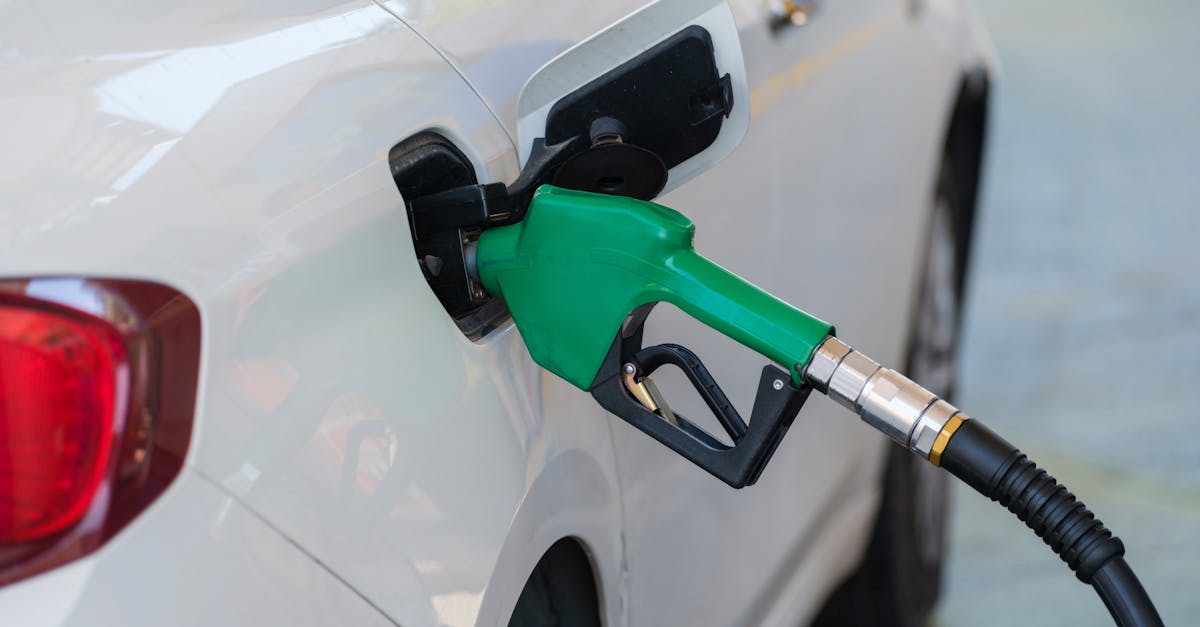
Most misfuelling happens at multi-fuel stations where diesel and unleaded pumps sit side by side. A few things make it easy to grab the wrong nozzle:
- Diesel nozzles are usually larger, but not always at every station
- Rental cars and unfamiliar vehicles make it easy to miss the fuel door label
- Distracted or rushed fill-ups at truck stops serving both cars and diesel trucks
Always check the fuel door sticker before you pump, and double-check the nozzle color and handle size. It takes five extra seconds and saves a very expensive afternoon.
Does Insurance or Warranty Cover It?
Most standard auto insurance policies don't cover misfuelling — it's treated as driver error, not a mechanical failure or collision. Some insurers offer optional mechanical breakdown or roadside coverage that includes fuel-related towing, so it's worth checking your policy. A factory powertrain warranty generally won't cover damage caused by putting the wrong fuel in the tank, since that's considered owner-caused damage, not a defect.
Frequently Asked Questions
Can a gas car run on diesel at all?
No. A gasoline engine's spark ignition system can't reliably burn diesel fuel. The engine will misfire, stall, or fail to start rather than run normally on diesel.
How much diesel can I put in a gas tank before it causes real damage?
Even a gallon or two mixed with gasoline can cause rough running, but the real damage comes from starting and driving the car, not from the diesel sitting in the tank alone. Drain it before starting the engine whenever possible.
Can I drain the tank myself to save money?
It's possible with the right equipment, but most gas tanks aren't designed for easy draining, and doing it wrong can spill fuel or damage the fuel pump. A shop with a proper fuel evacuation tool does it faster and safer.
Will my check engine light come on after putting diesel in a gas car?
Often, yes. Misfires, a fouled catalytic converter, or fuel trim errors from the wrong fuel type commonly trigger a check engine light even after the fuel system is flushed and refilled correctly.
Is it more common to put diesel in a gas car or gas in a diesel?
Gas in a diesel is reported more often at truck stops, largely because diesel pumps are common there and drivers grab the wrong hose. Both mistakes are preventable by checking the fuel door label every time.
Knowing your engine type matters here too — if you're unsure how your specific diesel platform's fuel system differs, the guide to diesel engine families like Power Stroke, Cummins, and Duramax breaks down what makes each one sensitive to fuel contamination in its own way.
Frequently Asked Questions
Need a Diesel Mechanic?
Tell us what's wrong and we'll match you with local shops that can take it on.
Find a Diesel Shop Near You

Discussion (0)
Be the first to comment!
Share your experience or ask a question about diesel repair.