
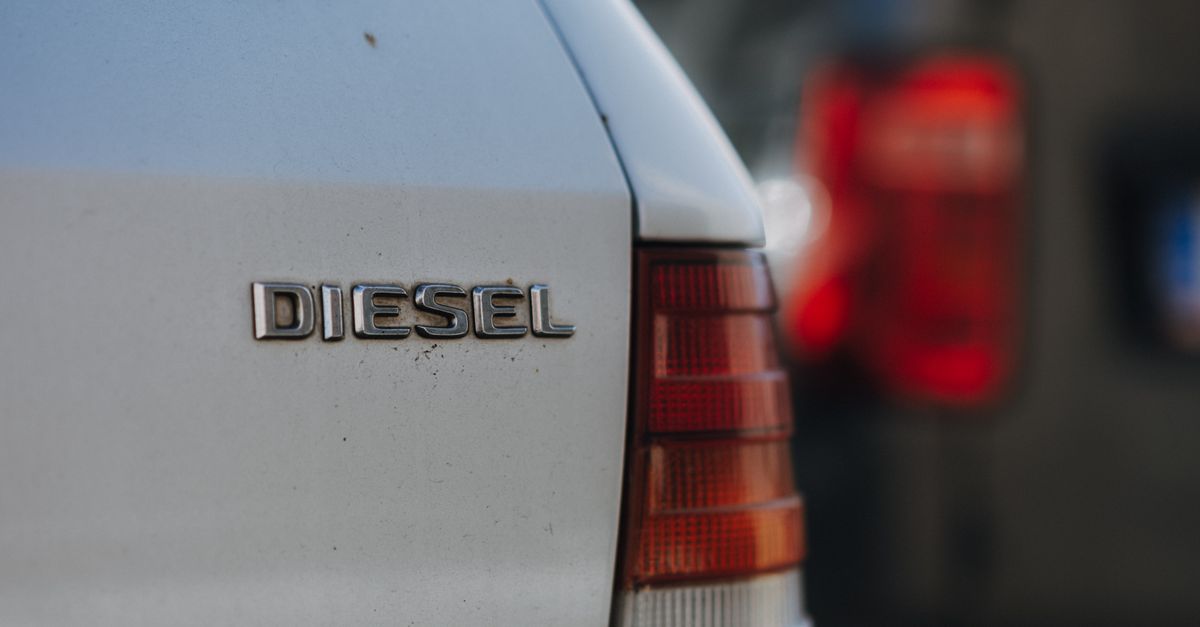
Diesel is a fuel refined from crude oil (or made from plant/animal fats as biodiesel) that powers an engine through compression ignition rather than a spark. It's thicker, denser, and more energy-rich per gallon than gasoline, which is why diesel engines get better fuel economy and more torque.
If you own a pickup, a fleet truck, an RV, or ag equipment, understanding diesel fuel helps you buy the right fuel, store it correctly, and spot problems before they turn into repair bills. This guide breaks down what diesel is, how it works, the different grades sold in the U.S., and how to keep it — and your fuel system — in good shape.
What Is Diesel Fuel, Exactly?
Diesel fuel is a mix of hydrocarbons distilled from crude oil during refining. It's heavier and oilier than gasoline, with a higher energy density — roughly 139,000 BTUs per gallon compared to about 125,000 BTUs for gasoline.
That extra energy is a big reason diesel engines pull more torque and often go farther per gallon than a comparable gas engine. Most diesel sold in the U.S. today is Ultra-Low Sulfur Diesel (ULSD), a standard the EPA mandated in 2006, capping sulfur content at 15 parts per million to cut soot and support modern emissions systems like DPFs and SCR.
How Is Diesel Different From Gasoline?
Gasoline ignites from a spark and burns fast. Diesel ignites from heat, generated when air gets compressed hard inside the cylinder — no spark plug involved.
Diesel also has a much higher flash point than gasoline, meaning it takes more heat to ignite its vapors. That's a common source of confusion; diesel is combustible, not flammable in the way gasoline is. For a full breakdown of that distinction and the safety implications, see Is Diesel Flammable? What Every Diesel Owner Should Know.
- Ignition: Gasoline uses spark ignition; diesel uses compression ignition.
- Density: Diesel is denser, packing more energy per gallon.
- Volatility: Gasoline evaporates and ignites easily; diesel is oilier and harder to ignite.
- Fuel economy: Diesel engines typically deliver 20-35% better mpg than a similar gas engine.
How Does a Diesel Engine Actually Use This Fuel?
A diesel engine compresses air inside the cylinder to a ratio of roughly 14:1 up to 23:1 — much higher than a gas engine. That compression heats the air to over 1,000°F.
Fuel gets injected into that superheated air and ignites on its own. There's no spark plug in the process at all. If you want the full mechanical explanation, read Does a Diesel Engine Have a Spark Plug? (No — Here's What It Uses Instead). Glow plugs help with cold starts, but they're a starting aid, not the ignition source once the engine is running.
Different manufacturers build this system differently — Power Stroke, Cummins, and Duramax platforms all handle fuel delivery and compression a bit differently. For a comparison of how these major engine families work, see Diesel Engine Families Explained: Power Stroke, Cummins & 3.0 Duramax.
What Types of Diesel Fuel Are Sold in the U.S.?
Not all diesel at the pump is the same. Here's a quick breakdown of what you'll actually run into.
| Type | Use | Notes |
|---|---|---|
| No. 2 ULSD (clear) | On-road trucks, cars, RVs | Standard pump diesel; EPA-mandated 15 ppm sulfur max |
| No. 1 diesel | Cold climates, blended with No. 2 | Thinner, resists gelling better in winter |
| Dyed diesel (red) | Off-road, farm, generators | Untaxed; illegal on public roads — see below |
| Biodiesel blends (B5-B20) | On-road and fleet use | Blended with plant/animal-based biodiesel |
Warning: Using dyed off-road diesel in an on-road vehicle is illegal tax evasion under IRS and state DOT rules, and it carries fines that can run into the thousands per violation. Roadside inspectors check fuel tanks specifically for this.
Emissions equipment tied to diesel combustion — DPF, EGR, DEF/SCR systems — is federally protected. Removing, deleting, or bypassing any of it violates the Clean Air Act. For a state-by-state breakdown of inspection and emissions rules, check Diesel Emissions Rules by State: What Pickup, RV and Fleet Owners Need to Know.
What Is Cetane Rating and Why Does It Matter?
Cetane rating measures how quickly diesel ignites under compression — the diesel equivalent of octane in gasoline, but working in the opposite direction. Higher cetane means faster, cleaner ignition.
U.S. pump diesel runs a minimum cetane of 40, though premium diesel blends often hit 45-55. A higher cetane number can mean easier cold starts, quieter combustion, and slightly better fuel economy. It's not a magic fix for a fuel system problem, though — it won't undo damage from water contamination or a failing lift pump.
How Should You Store Diesel Fuel?
Diesel doesn't last forever in a tank. Left untreated, it starts breaking down within 6-12 months, growing algae and picking up moisture that leads to fuel filter clogging and injector damage.
Cold weather brings a different problem: gelling. Diesel contains paraffin wax that thickens and can clog fuel filters once temps drop into the teens or below, depending on the blend. Winter-blend No. 2/No. 1 mixes and anti-gel additives help prevent this. For a deeper look at cetane, gelling, and long-term storage, see Diesel Fuel Explained: Cetane, Gelling and Storage Life.
Quick Storage Checklist
- Keep tanks as full as possible to limit condensation buildup.
- Use a biocide or stabilizer for fuel stored longer than 3-6 months.
- Switch to a winter blend or add anti-gel treatment before cold snaps.
- Drain water separators regularly — water in the tank accelerates microbial growth.
What's the Difference Between Diesel and DEF?
Diesel Exhaust Fluid (DEF) is not fuel — it's a urea-water solution injected into the exhaust stream on trucks with SCR systems to break down NOx emissions. DEF goes in its own separate tank, never the diesel tank.
Mixing them up is a costly mistake. Putting DEF in a fuel tank (or diesel in a gas engine, a more common mix-up) can damage injectors, pumps, and catalysts. If you're wondering what happens when the wrong fuel ends up in the wrong tank, see What Happens If You Put Diesel in a Gas Car? (And What to Do Now).
How Does Fuel Quality Affect Maintenance?
Diesel fuel quality directly affects how often you're replacing fuel filters and how long your injection system lasts. Water, sediment, and microbial growth are the top three fuel-related causes of filter clogging and injector wear.
Most OEMs publish fuel filter and water separator service intervals around 15,000-25,000 miles, though heavy idle time or bad fuel sources can shorten that. On a 6.7 Power Stroke, for example, the published interval and inspection steps are laid out in 6.7 Powerstroke Fuel Filter Service Guide: Intervals & Costs. Clean fuel also protects the oil — fuel dilution from a leaking injector or bad filtration is one reason OEMs set the oil change intervals they do, covered in Oil Change on a Diesel Engine: Types, Intervals and Why It Matters.
Sample Fuel-Related Maintenance Schedule
- Every fill-up: Check for water in the sight glass or drain the separator if equipped.
- Every 15,000-25,000 miles (per OEM spec): Replace fuel filters and water separator element.
- Before winter: Switch fuel blend or add anti-gel treatment.
- Annually or per 49 CFR §396.17: Include the fuel system in your commercial vehicle inspection.
Fuel filter replacement runs roughly $150-$350 for parts and labor on most pickups, and a water separator element adds another $40-$80 (prices as of 2026, verify locally). Skipping filters to save money almost always costs more later in injector or pump damage.
When Should You See a Shop About a Fuel-Related Problem?
Hard starts, rough idle, a drop in power, or fuel smell in the cabin all point to a fuel system issue worth checking before it spreads. So does visible water or debris in a drained separator.
Try topping off with fresh fuel and checking the filter yourself first if the truck is just running a little rough. But if you're seeing a check engine light, injector codes, or repeated filter clogging, it's time for a real diagnosis. You can find a diesel shop near you on USA Diesel Finder to get the fuel system checked before a filter problem turns into an injector or pump replacement.
FAQ: What Is Diesel?
Is diesel the same as heating oil?
They're chemically similar and both come from the same distillation process, but heating oil isn't taxed for road use and isn't refined to the same emissions standards as on-road diesel. Don't burn heating oil in a vehicle.
Why does diesel smell different than gasoline?
Diesel is oilier and less volatile, so it evaporates slower and gives off a heavier, more lingering smell instead of the sharp, fast-evaporating scent of gasoline.
Can diesel go bad in a tank?
Yes. Left untreated, diesel starts degrading in 6-12 months as it picks up moisture and microbial growth, which clogs filters and can damage injectors.
Is biodiesel the same as regular diesel?
Biodiesel is made from plant or animal fats and gets blended with petroleum diesel at ratios like B5 or B20. It runs in most modern diesel engines but check your OEM's approved blend limit first.
Why is my diesel engine hard to start in cold weather?
Cold diesel thickens and can gel, and the compressed air inside a cold engine doesn't heat up as fast, making ignition harder. Glow plugs, block heaters, and winter-blend fuel all help offset this.
Frequently Asked Questions
Need a Diesel Mechanic?
Tell us what's wrong and we'll match you with local shops that can take it on.
Find a Diesel Shop Near You


Discussion (0)
Be the first to comment!
Share your experience or ask a question about diesel repair.