
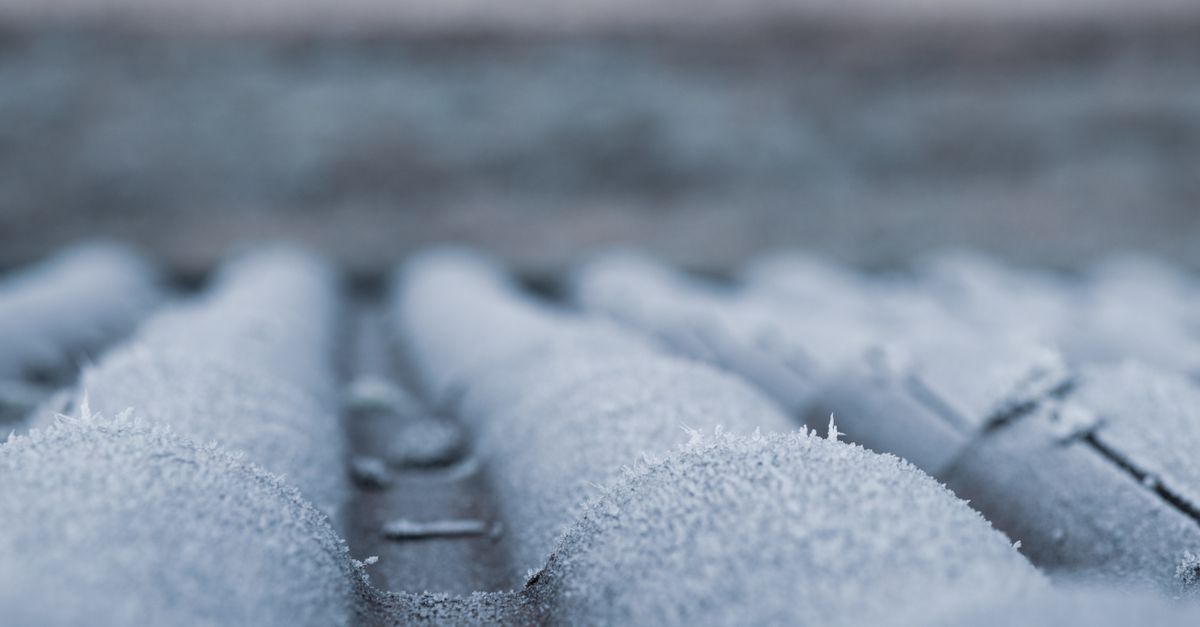
Diesel doesn't freeze solid the way water does. Instead, it thickens in stages as wax naturally in the fuel starts to crystallize in cold weather. Regular #2 diesel begins clouding with wax around 15°F to 5°F (the cloud point) and can gel solid enough to stop flowing between 15°F and -15°F (the gel point), depending on the blend and additives used.
That's the short answer. But if you run a truck, RV, tractor, or generator through winter, you need to know more than a single temperature. You need to know how the gelling process actually works, which fuel blend you're running, and what to do before — and after — the fuel gets too thick to move through your lines.
This guide breaks down cloud point vs. gel point, how #1 and #2 diesel compare in cold weather, the warning signs of gelled fuel, and what actually prevents it. For background on the fuel itself, see What Is Diesel? A Plain-English Guide to Diesel Fuel.
What Actually Happens to Diesel in Cold Weather?
Diesel fuel contains paraffin wax naturally. That wax stays dissolved and invisible at normal temps. As the fuel cools, the wax molecules start clumping into crystals you can actually see.
- Cloud point: the temperature where wax crystals first form and the fuel turns hazy or cloudy. Fuel still flows fine at this stage.
- Pour point: the lowest temp at which the fuel can still be poured or pumped, usually a few degrees below cloud point.
- Gel point: the temp where wax crystals link together and the fuel turns thick, waxy, and stops flowing through filters and lines.
The danger isn't the fuel in your tank freezing solid. It's the wax clogging your fuel filter and fuel-water separator long before the tank temperature gets that low. A fuel filter can plug with wax at temps well above the fuel's actual gel point, especially in older or dirty filters.
At What Temperature Does Diesel Gel or Freeze?
The exact numbers depend on the diesel grade, the refinery's blend, and whether an anti-gel additive was used. Here's a realistic range for common fuel types.
| Fuel Type | Cloud Point | Gel Point |
|---|---|---|
| #2 diesel (summer blend) | 15°F to 20°F | 10°F to 15°F |
| #2 diesel (winterized blend) | 0°F to -10°F | -10°F to -20°F |
| 50/50 blend (#1 + #2) | -10°F to -20°F | -25°F to -30°F |
| #1 diesel (kerosene-based) | -30°F to -40°F | -40°F to -50°F |
Rules change and blends vary by refinery, so verify locally — prices and blend availability as of 2026. Truck stops in cold-weather states usually switch their pumps to a winterized #2 or a #1/#2 blend once forecasts start dropping into the teens, but that switch doesn't happen on a fixed calendar date.
What's the Difference Between #1 and #2 Diesel in Cold Weather?
#2 diesel is the standard fuel most trucks, tractors, and RVs run year-round. It has more energy density and better lubricity, which means better mileage and less wear on injectors and the fuel pump.
#1 diesel is thinner, closer to kerosene, and resists gelling at much lower temps. But it has lower BTU content, so fuel economy drops when running straight #1. That's why most cold-climate stations sell a blend instead of pure #1 — you get some cold protection without giving up too much mileage.
Both grades and blend requirements follow the ASTM D975 diesel fuel standard, which sets cloud point specs by region and season. That's the reference authority refiners use to decide when to switch blends, not a hard state law.
How Do You Know If Your Diesel Fuel Is Gelling?
Catching gelling early saves a tow bill. Watch for these signs on cold mornings:
- Fuel gauge reads fine, but the engine cranks without starting
- Rough idle or stalling right after startup, then it smooths out as the engine warms
- Visible white haze or slushy wax in a clear fuel-water separator bowl
- Loss of power under load that wasn't there the day before
- A fuel filter that was recently changed but is already restricting flow
If you crank the engine repeatedly without it starting, you risk draining the batteries and flooding the glow plug system. Warm the fuel filter and lines with a heat gun or warm shop space before trying again — don't just keep cranking.
How to Prevent Diesel From Gelling
Prevention is far cheaper than a tow truck and a filter change at the side of the road. A few practical steps:
- Use winterized fuel or a #1/#2 blend once overnight temps drop near freezing in your area.
- Add an anti-gel additive to every fill-up below 32°F — most treat 20-35 gallons for about $10 to $20 a bottle (prices as of 2026, verify locally).
- Keep the tank at least half full to reduce condensation and give less air space for temperature swings.
- Change your fuel filter and water separator on schedule before winter hits — a dirty filter clogs with wax far sooner than a clean one. See the 6.7 Powerstroke Fuel Filter Service Guide for typical intervals and costs.
- Use a block heater and a fuel-tank heater if you park outside in sub-zero regions overnight.
- Park nose-into-the-wind or in a garage when possible — wind chill speeds up fuel cooling more than still air.
Anti-gel additive works best added before the fuel gets cold, not after wax has already formed. It lowers the cloud and gel point by roughly 10-20°F, but it can't melt wax that's already crystallized in a clogged filter.
What to Do If Your Diesel Fuel Already Gelled
If the truck won't start and you suspect gelled fuel, don't panic and don't keep cranking. Here's the order of operations:
- Move the vehicle into a warm garage or heated bay if you can, even a few hours at 50°F+ helps a lot.
- Use a heat gun, hair dryer, or heated fuel-line wraps on the filter housing and lines — never an open flame near fuel.
- Once warm, drain the water separator bowl and replace the fuel filter, since wax often clogs it even after the fuel itself thaws.
- Add an anti-gel treatment to the tank before restarting.
- If it still won't start or keeps stalling, call a mobile diesel tech — repeated cranking on gelled fuel can damage the fuel pump.
A roadside call for a gelled-fuel no-start plus a filter swap usually runs $150 to $350 depending on location and time of day (prices as of 2026, verify locally). That's a lot less than replacing a fuel pump damaged by dry-running on wax-clogged fuel. If you're not confident diagnosing it yourself, find a diesel shop near you on USA Diesel Finder for a same-day look.
Do States Require Winter-Blended Diesel?
There's no single federal law forcing stations to sell winter-blended diesel on a set date. Instead, refiners follow the ASTM D975 cloud point specification, which sets seasonal and regional targets that fuel suppliers use to time their blend switch.
Truck stops in Minnesota, North Dakota, and similar cold states usually switch earlier and blend more aggressively than stations in Texas or Georgia. If you're hauling across state lines in late fall or early spring, fill up strategically — a tank of southern #2 diesel can gel fast once you cross into a cold front up north.
Emissions equipment and fuel additive rules can also vary state to state — see Diesel Emissions Rules by State for a rundown that fleet owners crossing state lines should keep handy.
Related Cold-Weather Maintenance to Check
Cold weather doesn't just threaten fuel. Engine oil thickens too, glow plugs work harder to get cold starts, and fuel filters take on more strain. Review your service intervals before the first hard freeze:
- Diesel Fuel Explained: Cetane, Gelling and Storage Life — deeper detail on how gelling relates to cetane rating and long-term fuel storage.
- Oil Change on a Diesel Engine: Types, Intervals and Why It Matters — winter-weight oil matters just as much as winter fuel.
- Does a Diesel Engine Have a Spark Plug? — understand why glow plugs and cold-start systems matter more in winter.
If your truck, RV, or ag equipment struggled through a cold morning this season, don't wait for the next freeze. Get a free diesel repair quote and have your fuel system, filters, and glow plugs checked before winter tightens its grip again.
Frequently Asked Questions
Need a Diesel Mechanic?
Tell us what's wrong and we'll match you with local shops that can take it on.
Find a Diesel Shop Near You


Discussion (0)
Be the first to comment!
Share your experience or ask a question about diesel repair.