
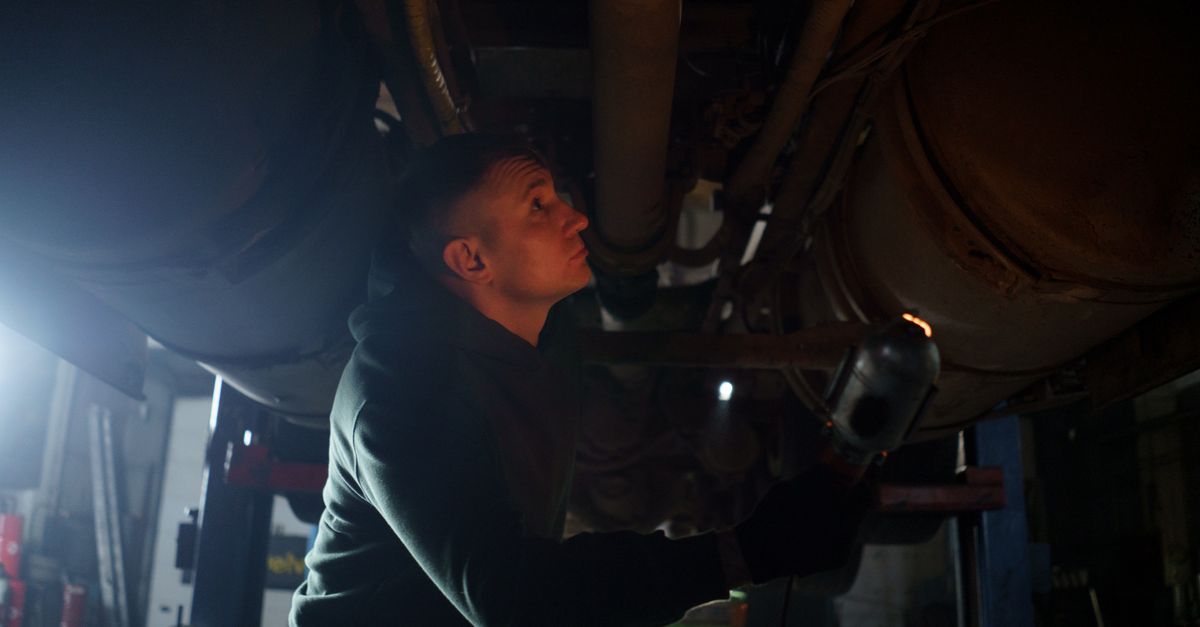
A DOT annual inspection runs about $100 to $200 per unit at most truck repair shops, and $150 to $300 if you're getting a tractor and trailer done together. That number is just the inspection fee. If something fails, repairs get added on top — and that's where most owners get caught off guard.
This guide breaks down what the inspection actually costs, what inspectors check, who's allowed to do it, and how to keep your bill from ballooning when something doesn't pass. Prices as of 2026, verify locally.
What Is a DOT Annual Inspection, Exactly?
Under FMCSA 49 CFR §396.17, every commercial motor vehicle over 10,000 lbs GVWR used in interstate commerce needs a full inspection at least once every 12 months. Some states apply the same rule to intrastate trucks too, so check your state DOT before assuming you're exempt.
The inspection covers brakes, steering, lighting, tires, coupling devices, exhaust, and more. It's not the same as a roadside inspection an officer runs at a scale house — this one is scheduled, documented, and done by a qualified inspector who signs off on a report you keep in the vehicle.
How Much Does a DOT Annual Inspection Cost?
Pricing depends on the shop, the vehicle type, and whether you're inspecting a single truck or a full combination unit. Here's what owners typically pay in 2026.
| Service | Typical Cost |
|---|---|
| Single straight truck or tractor inspection | $100 – $200 |
| Tractor + trailer combined inspection | $150 – $300 |
| Mobile/on-site inspection service | $150 – $350 |
| CVSA decal/sticker fee (where applicable) | $10 – $25 |
| Fleet rate (per unit, 10+ vehicles) | $75 – $150 |
Prices as of 2026, verify locally — shop labor rates and state decal fees vary by region. A dealership or OEM-certified shop usually charges more than an independent diesel shop, but may bundle the inspection with other scheduled maintenance.
What Pushes the Price Higher?
The inspection fee itself is cheap. The real cost shows up when something fails. Here's what commonly adds to the bill:
- Brake adjustment or replacement: $50–$150 for adjustment, $300–$700 per axle for new shoes or pads
- Lighting repairs: $20–$100 for bulbs, sockets, or wiring fixes
- Tire replacement: $300–$600 per tire depending on size and brand
- Steering or suspension components: $150–$600 depending on the part
- Exhaust or emissions system repairs: costs vary widely — a failed DPF or leaking exhaust can run into the thousands
A truck with worn brake linings, bald tires, or a cracked frame weld can turn a $150 inspection into a $1,500 repair day. That's why most shops recommend a pre-inspection walkaround before the official test — it's cheaper to fix a brake chamber yourself than to pay failed-item rates during the inspection appointment.
What Does the Inspector Actually Check?
FMCSA's inspection criteria cover a specific list of systems. A qualified inspector works through:
- Brake systems, including air brake adjustment and reservoir condition
- Coupling devices (fifth wheel, pintle hook, safety chains)
- Exhaust system, including DPF and muffler condition
- Frame, including cracks or sagging
- Fuel system, checking for leaks
- Lighting devices and reflectors
- Steering mechanism
- Suspension
- Tires and wheels, including tread depth and rim condition
- Windshield wipers
Jake brakes and engine compression braking systems also get checked for proper function during the brake portion of the inspection — worth knowing if you're unsure how yours should perform. See our guide on Jake Brakes Explained: How Engine Compression Braking Works for what normal operation looks like.
DOT Annual Inspection vs. Roadside Inspection: What's the Difference?
These two get confused often, but they're not the same thing.
The annual inspection is scheduled, done by a certified inspector, and results in a signed report kept on file. The roadside inspection happens unannounced at a weigh station or checkpoint, run by a state trooper or DOT officer, and can place your truck out of service on the spot if something fails.
Passing your annual inspection doesn't guarantee you'll pass a roadside check six months later if a brake chamber fails or a light burns out in between. Keep up with PM between annual inspections — bundling an inspection with a scheduled oil change on a diesel engine is a common way fleets catch small issues before they become failed items.
Who Is Allowed to Perform a DOT Inspection?
Not every mechanic can sign off on a DOT annual inspection. FMCSA requires the inspector to meet one of these qualifications:
- Completed a training program recognized by a state or federal agency
- Has at least one year of relevant inspection or repair experience on brakes and related systems
- Works for a motor carrier, government agency, or inspection facility that certifies inspector qualifications on file
Most diesel repair shops that do DOT work keep certified inspectors on staff and can show proof of qualification if you ask. You can find a diesel shop near you on USA Diesel Finder that handles DOT annual inspections in your area.
What Happens If Your Truck Fails?
A failed item doesn't always mean the truck is out of service right away — it depends on what failed. Here's a simple way to decide your next move.
- Minor item (burned-out marker light, missing reflector): fix it same day, often under $50, and get re-inspected
- Moderate item (brake out of adjustment, worn tire): expect $100–$600 in repairs before the sticker gets issued
- Major item (cracked frame, failed air brake chamber, exhaust leak near fuel lines): truck may be placed out of service until repaired — budget for a longer shop stay and possibly a loaner or rental
If your truck is throwing fault codes alongside a failed inspection item, it's worth pulling the codes before you approve repairs. Our guide to Reading Diesel Fault Codes: SPN and FMI Explained walks through how to read what the truck is actually telling you, so you're not paying to chase the wrong part.
Do State Rules Change the Cost or Requirements?
FMCSA sets the federal floor, but states can add their own requirements on top — decal programs, intrastate inspection rules, or emissions checks tied to state DOT or DMV offices. A truck registered in a CARB-aligned state may face extra emissions scrutiny during inspection that other states don't require.
Rules change — verify your current state requirements before assuming your last inspection checklist still applies. Our breakdown of Diesel Emissions Rules by State covers which states layer extra requirements on top of the federal inspection.
How to Keep Your Inspection Bill Down
A little prep work before the appointment saves real money. Consider this before booking:
- Walk the truck yourself first — check lights, tire tread, and visible leaks before the shop does
- Bundle the inspection with scheduled PM service to avoid a second shop visit and sometimes get a bundled discount
- Ask about fleet rates if you run more than a few units — per-unit pricing drops fast at volume
- Don't ignore a derate or warning light before inspection day — a truck already in limp mode or engine derate is more likely to fail related systems
The inspection fee itself is small. The repairs tied to a failed item are where the real cost lives — so the smartest move is catching problems before the inspector does. If your truck is due and you want a shop that handles both the inspection and any repairs it turns up, you can get a free diesel repair quote and compare before you commit.
Frequently Asked Questions
Need a Diesel Mechanic?
Tell us what's wrong and we'll match you with local shops that can take it on.
Find a DOT-Certified Diesel Shop Near You

Discussion (0)
Be the first to comment!
Share your experience or ask a question about diesel repair.