
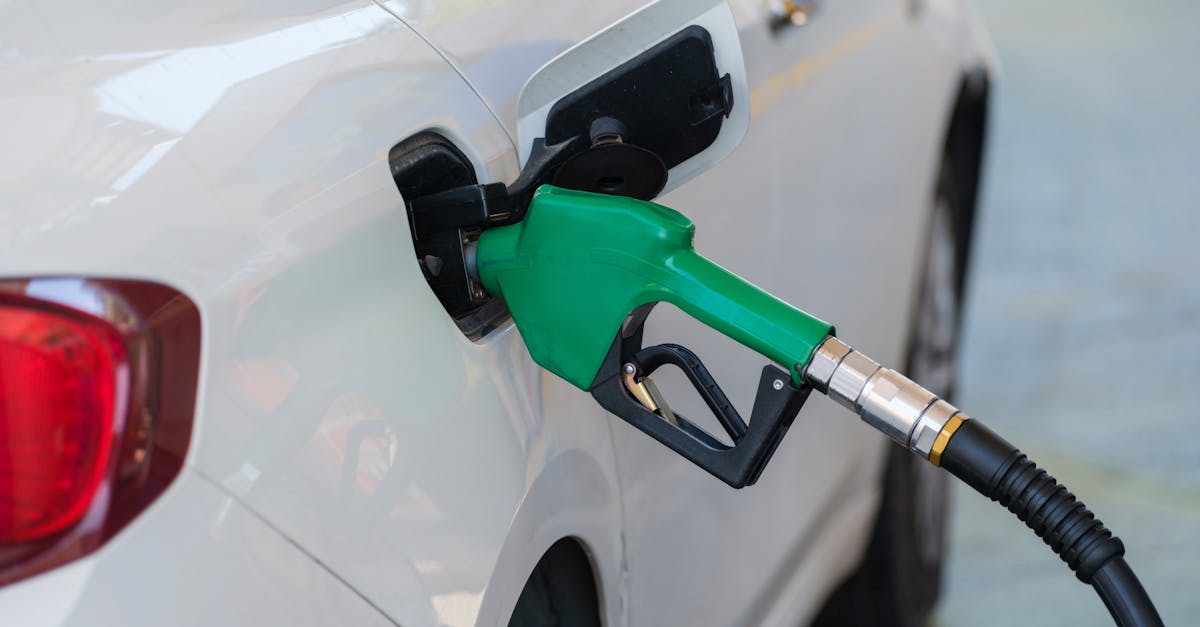
Diesel costs more per gallon than gasoline at almost every pump in the country. As of 2026, the national average runs about $3.90-$4.20 per gallon for diesel versus $3.10-$3.40 for regular gasoline (prices as of 2026, verify locally). That's the simple answer.
But the pump price is only half the math. Diesel engines burn less fuel per mile, last longer, and hold up better under load. So the real question isn't which fuel is cheaper — it's which one costs less over the miles you actually drive.
This guide covers current price gaps, why diesel costs more to refine and tax, real cost-per-mile numbers, and when a diesel truck, RV, or piece of equipment actually pays for itself.
How Much Does Diesel Cost vs Gasoline in 2026?
Diesel has traded at a premium over gasoline for most of the past decade, and that gap usually holds through winter and spring. Here's a rough national snapshot for 2026:
| Fuel Type | Average Price/Gallon (2026) | Typical Range |
|---|---|---|
| Regular Gasoline | $3.25 | $3.00-$3.60 |
| Diesel | $4.00 | $3.70-$4.40 |
That's roughly a $0.60-$0.85 gap per gallon, though it narrows or widens with the season and region. Prices as of 2026 — verify locally, since state fuel taxes alone can shift the number by 20-30 cents a gallon from one state to the next.
Why Is Diesel More Expensive Than Gasoline?
A few things push diesel prices above gas, and none of them have much to do with local station markups.
- Refining cost: Ultra-low sulfur diesel (ULSD) requires extra refining steps to meet EPA sulfur limits, and that adds cost per gallon.
- Federal and state taxes: The federal diesel tax is 24.4 cents a gallon versus 18.4 cents for gasoline. Many states tax diesel higher too, since heavy trucks put more wear on roads.
- Global demand: Diesel powers trucking, farming, construction, heating oil, and shipping worldwide. Gasoline demand is mostly cars. That broader pull on diesel supply tends to keep prices firmer.
- Winter blending: Refiners blend diesel with kerosene in cold months to prevent gelling, which raises the cost. Learn more about that in our guide to Diesel Fuel Explained: Cetane, Gelling and Storage Life.
Does Diesel Get Better Fuel Economy Than Gas?
Yes, and this is where diesel starts to close the price gap. Diesel fuel has more energy per gallon than gasoline, and diesel engines run higher compression ratios that burn fuel more efficiently.
In real-world terms, a diesel pickup usually gets 20-35% better fuel economy than a comparable gas truck, especially while towing. A half-ton gas truck might average 16-18 MPG combined. A 3/4-ton diesel doing the same work often lands at 20-24 MPG, and the gap widens further under a heavy trailer.
Want to understand why diesel engines run differently under the hood? Check out Diesel Engine Families Explained: Power Stroke, Cummins & 3.0 Duramax and Does a Diesel Engine Have a Spark Plug? (No — Here's What It Uses Instead) for the mechanical reasons behind the mileage difference.
Cost Per Mile: Diesel vs Gas, Real Numbers
Here's a side-by-side using 2026 average prices and typical highway MPG for full-size trucks:
| Truck Type | MPG | Price/Gal | Cost per 500 Miles |
|---|---|---|---|
| Gas Half-Ton (16 MPG) | 16 | $3.25 | $101.56 |
| Diesel 3/4-Ton (21 MPG) | 21 | $4.00 | $95.24 |
At this mileage, the diesel truck comes out slightly cheaper per mile despite the higher pump price. Add towing into the mix — where diesel MPG holds up far better than gas — and the savings grow. For a truck that mostly drives empty around town, the math flips and gas usually wins.
Is Off-Road Diesel Cheaper? (And Is It Legal to Use?)
Dyed diesel, sold for farm equipment, generators, and off-road machines, is exempt from the federal and state road taxes baked into on-highway diesel. That makes it noticeably cheaper per gallon.
Warning: Using dyed diesel in a vehicle driven on public roads is illegal. It's tax evasion under federal law, and the IRS along with state Departments of Revenue enforce it with roadside fuel inspections. Penalties can run into thousands of dollars per violation, plus back taxes. Dyed diesel is meant strictly for off-road equipment — never for a truck, RV, or car that touches a highway.
Diesel Maintenance Costs vs Gas Maintenance Costs
Fuel price is only one line item. Diesel engines usually cost more to maintain, but they also last longer, so the picture depends on how many miles you're planning to put on the vehicle.
- Oil changes: Diesel engines hold more oil (12-15 quarts vs 5-6 for gas) and use pricier oil. Ford's 6.7L Power Stroke calls for oil changes every 7,500-10,000 miles under normal use — see our full Oil Change on a Diesel Engine: Types, Intervals and Why It Matters guide for OEM specs across platforms.
- Fuel filters: Diesel systems run high-pressure common-rail injection, which needs clean fuel and regular filter swaps. The 6.7 Powerstroke Fuel Filter Service Guide covers typical intervals and costs.
- DEF and DPF costs: Diesel exhaust fluid runs about $3-$4 a gallon and gets used at roughly 2-4% of fuel consumption. DPF cleaning runs about $400-$600; a full replacement is roughly $2,000-$4,000 depending on platform (prices as of 2026, verify locally).
- Engine longevity: A well-maintained diesel commonly runs 300,000-500,000 miles before major work, versus 150,000-250,000 for a gas engine. That longer service life offsets a lot of the extra upkeep cost for high-mileage owners.
When Does Diesel Actually Make Financial Sense?
Here's a simple way to decide, based on how the vehicle gets used.
- Choose diesel if: You drive over 15,000-20,000 miles a year, tow regularly, or plan to keep the vehicle past 150,000 miles. The fuel economy and longevity edge outweighs the higher purchase price and pricier upkeep.
- Choose gas if: You drive mostly short trips, under 12,000 miles a year, or plan to trade the vehicle in before 100,000 miles. You'll likely never recover the diesel price premium.
- Run the math either way: Compare your actual annual mileage against local diesel and gas prices before assuming diesel is the better deal — it isn't automatic.
Do Diesel Prices Swing More Than Gas Prices?
Yes. Diesel demand ties closely to trucking, farming, and heating oil, so it reacts to seasonal swings gas doesn't feel as hard. Expect diesel to run highest from late fall through winter, when home heating oil demand competes for the same refinery output.
Regional gaps matter too. West Coast diesel often runs 40-60 cents above the Gulf Coast due to refining capacity and state taxes. If you're budgeting fuel costs for a fleet or a cross-country RV trip, check regional averages rather than relying on one national number.
If you're weighing a diesel purchase against ongoing costs, it also helps to understand the fuel itself — our plain-English guide to diesel fuel and Is Diesel Flammable? article cover the basics worth knowing before you commit.
Getting the Most Out of Either Fuel
Whichever fuel you're running, routine maintenance protects the mileage numbers you're counting on. A neglected fuel system loses efficiency fast, on either side.
If your diesel isn't delivering the MPG it should, or you're not sure whether a fuel or maintenance issue is behind rising costs, find a diesel shop near you on USA Diesel Finder for a proper diagnosis before assuming the fuel price is the problem.
Frequently Asked Questions
Why is diesel more expensive than gasoline?
Diesel costs more to refine to ultra-low sulfur standards, carries higher federal and state road taxes in most states, and faces steady global demand from trucking, farming, and shipping — all of which push the price above gasoline.
Is diesel cheaper than gas for RVs?
Diesel RVs (often called diesel pushers) usually get better MPG and tow more weight than gas motorhomes, but diesel fuel and maintenance cost more upfront. Owners who drive long distances or tow heavily tend to come out ahead with diesel over the vehicle's life.
Will diesel prices come down in 2026?
Diesel prices track crude oil, refining capacity, and seasonal heating oil demand, so they move with the broader energy market. There's no fixed timeline — check current EIA (U.S. Energy Information Administration) data for the latest regional trends.
Is it worth buying a diesel truck just to save on fuel?
Not on fuel savings alone. Diesel trucks cost more upfront and more to maintain, so the payoff really shows up in towing capacity, engine longevity, and resale value for high-mileage or heavy-use owners — not pump price alone.
Can I save money using off-road diesel in my truck?
No. Off-road dyed diesel is cheaper because it skips road taxes, but using it in a vehicle driven on public roads is illegal tax evasion, enforced by the IRS and state revenue departments with major penalties.
Frequently Asked Questions
Need a Diesel Mechanic?
Tell us what's wrong and we'll match you with local shops that can take it on.
Find a Diesel Shop Near You


Discussion (0)
Be the first to comment!
Share your experience or ask a question about diesel repair.