
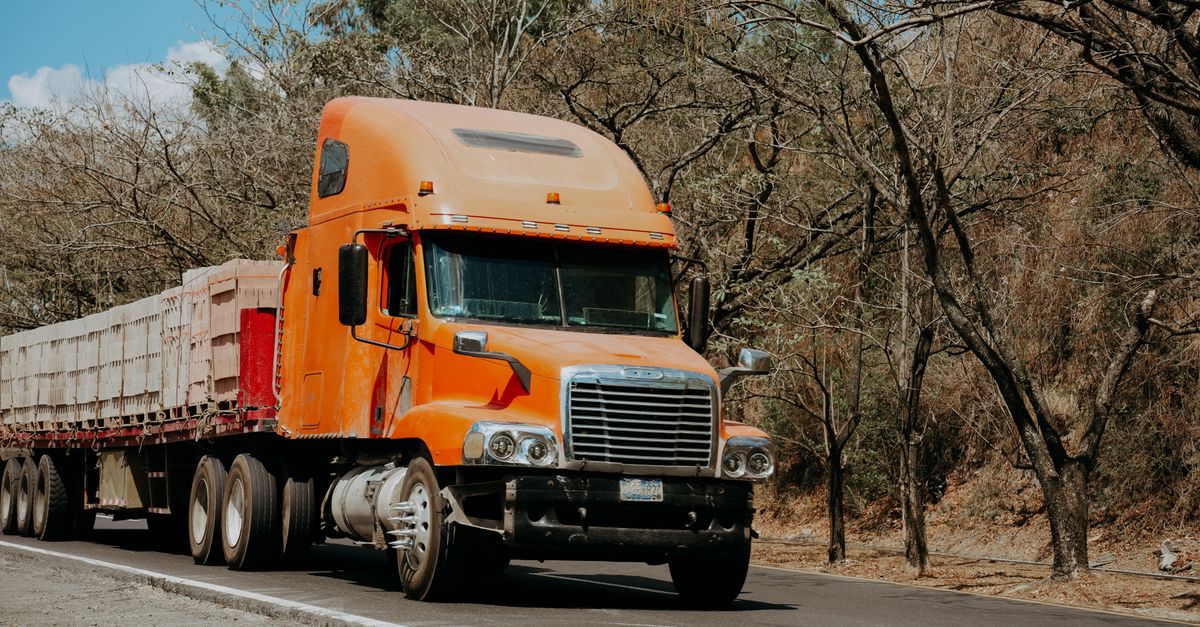
Three engine families cover most of the diesel pickups and SUVs on U.S. roads: Ford's Power Stroke, Ram's Cummins, and GM's Duramax. Each has its own design, fuel system, and OEM-published service interval. The 3.0 Duramax — GM's light-duty inline-6 — is the newest member of that lineup and works differently than its heavy-duty V8 cousins.
If you own or maintain any of these trucks, knowing which family you have matters. It changes your oil type, filter schedule, and which shops are equipped to work on it. This guide breaks down each family, with a close look at the 3.0 Duramax, plus a maintenance schedule you can use for planning.
What Are the Three Main Diesel Truck Engine Families?
Each automaker builds its diesel to a different design philosophy. Power Stroke and Cummins are mostly V8 or inline-6 heavy-duty engines built for towing and commercial work. Duramax spans both a heavy-duty V8 and the newer light-duty 3.0 inline-6.
| Family | Maker | Common Displacement | Typical Use |
|---|---|---|---|
| Power Stroke | Ford | 6.7L (current), 6.0L/6.4L/7.3L (legacy) | Super Duty pickups, chassis cabs |
| Cummins | Ram (Cummins-built) | 6.7L I6 (current), 5.9L (legacy) | Ram 2500/3500, commercial trucks |
| Duramax | GM | 6.6L V8, 3.0L I6 | Silverado/Sierra HD (6.6L), half-ton and SUVs (3.0L) |
What Is the 3.0 Duramax and Where Is It Used?
The 3.0 Duramax is a turbocharged inline-6 diesel, not a scaled-down version of GM's 6.6L V8. GM introduced it in the 2020 Silverado 1500, then extended it to the Sierra 1500, Suburban, Tahoe, and later a high-output version in the Colorado and Canyon.
Output ranges from about 277 hp and 460 lb-ft in early half-ton applications to 305 hp and 495 lb-ft in the high-output Colorado/Canyon tune. It's built for daily driving and towing, not heavy commercial hauling like its 6.6L sibling.
3.0 Duramax Key Specs
- Configuration: Inline-6, single turbo
- Aftertreatment: DPF and SCR system with DEF injection
- Cold-start aid: Glow plug system, like most light-duty diesel passenger trucks
- Oil spec: GM dexos synthetic diesel oil
How Often Does the 3.0 Duramax Need an Oil Change?
GM ties the 3.0 Duramax's oil change interval to its Oil Life Monitor system, not a fixed mileage number. In practice, most owners see intervals of about 7,500 to 10,000 miles under normal driving, per GM's published maintenance schedule.
Trucks used for towing, short-trip city driving, or extreme cold see the monitor call for oil changes sooner. Always follow the dash notification rather than guessing off a sticker from a quick-lube shop.
3.0 Duramax Maintenance Checklist
- Oil and filter — per Oil Life Monitor, typically 7,500-10,000 miles
- Fuel filter — inspect at each oil service, replace per GM interval (usually every 2nd oil change)
- DEF fluid — top off as needed; low-DEF warnings appear well before empty
- Air filter — inspect every oil change, replace as needed (usually 20,000-30,000 miles)
- Coolant — GM's Dex-Cool, check level and condition at each service
What Problems Show Up on the 3.0 Duramax?
The 3.0 Duramax is a newer design, so long-term failure data is still limited compared to the 6.6L Duramax or Cummins 6.7L. Owners and shops have flagged a few recurring issues worth watching:
- Timing chain wear on early production years — listen for a rattle on cold start
- EGR cooler and valve fouling, common on any diesel running EGR
- Oil dilution or fuel contamination in trucks that see mostly short trips without full regen cycles
None of these mean the engine is unreliable. But they're reasons to stick to the OEM interval instead of stretching oil changes to save money.
What Makes the Power Stroke Family Different?
Ford's current 6.7L Power Stroke is a V8 built for Super Duty trucks — F-250 through F-450 and chassis cabs. It runs a compacted graphite iron block, which handles higher cylinder pressure than aluminum or standard cast iron.
Ford recommends oil changes based on its Intelligent Oil-Life Monitor, generally landing between 7,500 and 10,000 miles for normal use. Fuel filters get replaced roughly every second oil change, and Ford calls for coolant system checks at every service due to the engine's higher operating pressures.
Legacy Power Stroke engines — the 6.0L and 6.4L — have a reputation for head gasket and EGR cooler issues if maintenance lapses. The older 7.3L, by contrast, is known for being simple and durable, which is part of why it still holds resale value.
What Makes the Cummins Family Different?
Ram's 6.7L Cummins is an inline-6, not a V8, and that layout is part of why it holds up well under sustained towing. Cummins publishes oil change intervals that usually run 10,000 to 15,000 miles depending on model year and oil grade, longer than most Power Stroke or Duramax intervals.
The tradeoff is weight and size — the 6.7L Cummins is heavier than a comparable V8, which affects front-end suspension wear over time. Fuel filter and water separator checks matter more here since the common-rail system is sensitive to water contamination.
The older 5.9L Cummins, used through 2007, is prized for its mechanical simplicity and lack of complex emissions hardware in early years. It's a common pick for owners who want a diesel with fewer electronic failure points.
How Does the 6.6L Duramax Compare to the 3.0 Duramax?
The 6.6L Duramax V8 is GM's heavy-duty engine, built for Silverado/Sierra 2500HD and 3500HD. The current L5P version makes over 470 hp and 975 lb-ft, far beyond what the 3.0 inline-6 is built to handle.
Both share the Duramax name and GM's dexos oil requirements, but they're different platforms with different failure histories. The 6.6L has a long service record — older LB7 and LLY versions had injector and fuel system issues, largely resolved by the LML and L5P generations.
Diesel Maintenance Schedule by Family
| Family | Oil Interval | Fuel Filter | Notable Wear Item |
|---|---|---|---|
| 3.0 Duramax | 7,500-10,000 mi (Oil Life Monitor) | Every 2nd oil change | Timing chain, EGR cooler |
| 6.6L Duramax | 7,500-10,000 mi | Every oil change (severe use) | Injectors (older gens), CP4 pump wear |
| 6.7L Power Stroke | 7,500-10,000 mi | Every 2nd oil change | EGR cooler, turbo actuator |
| 6.7L Cummins | 10,000-15,000 mi | Every oil change | Water in fuel, front suspension wear |
These are OEM-published ranges as of 2026 — always check your owner's manual or the manufacturer's service portal for your exact model year, since intervals shift between generations.
How Do Emissions Rules Affect Maintenance for These Engines?
All three families run DPF, EGR, and SCR/DEF systems to meet EPA emissions standards. Skipping DEF refills or ignoring DPF warning lights can trigger derate mode, cutting power until the issue is fixed.
Warning: Never let a shop delete or bypass emissions equipment on any of these engines. Removing a DPF, EGR, or SCR system violates the federal Clean Air Act and can carry major fines from the EPA.
State rules on emissions testing and idling also vary. For details on what applies where you register your truck, see Diesel Emissions Rules by State: What Pickup, RV and Fleet Owners Need to Know.
How Do I Choose a Shop for My Engine Family?
Not every diesel shop works on all three families equally well. Some specialize in Cummins commercial fleets, others focus on Ford Super Duty or GM light-duty diesel work.
Ask directly: does the shop have OEM-level scan tools for your specific engine, and how many of that engine do they see in a typical month? A shop that services 3.0 Duramax trucks weekly will spot early timing chain noise faster than one that rarely sees the platform.
You can find a diesel shop near you that lists which engine families it specializes in, which saves a wasted diagnostic visit.
FAQ: Diesel Engine Families and the 3.0 Duramax
- Is the 3.0 Duramax reliable? Early data looks solid when owners follow GM's oil and fuel filter intervals. Most issues reported so far trace back to skipped maintenance or short-trip driving that limits regen cycles.
- Does the 3.0 Duramax have glow plugs? Yes, it uses a glow plug system for cold-start assist, similar to most light-duty diesel passenger trucks on the market.
- Can a shop that works on 6.6L Duramax also service the 3.0 Duramax? Not always. The 3.0 is a different design with its own tools and parts, so confirm the shop has specific experience with the inline-6 before booking.
- Which diesel family has the longest oil change interval? The 6.7L Cummins usually runs the longest OEM interval, up to 15,000 miles, compared to 7,500-10,000 miles for most Power Stroke and Duramax engines.
- Is it legal to run all these engines on dyed diesel? No. Dyed off-road diesel is untaxed and illegal for use in on-road trucks in any family; it carries fines from state DOT and IRS enforcement.
Prices and service intervals here reflect 2026 OEM publications — verify locally with your dealer or a diesel repair quote before budgeting a repair.
Frequently Asked Questions
Need a Diesel Mechanic?
Tell us what's wrong and we'll match you with local shops that can take it on.
Find a Diesel Shop Near You


Discussion (0)
Be the first to comment!
Share your experience or ask a question about diesel repair.